
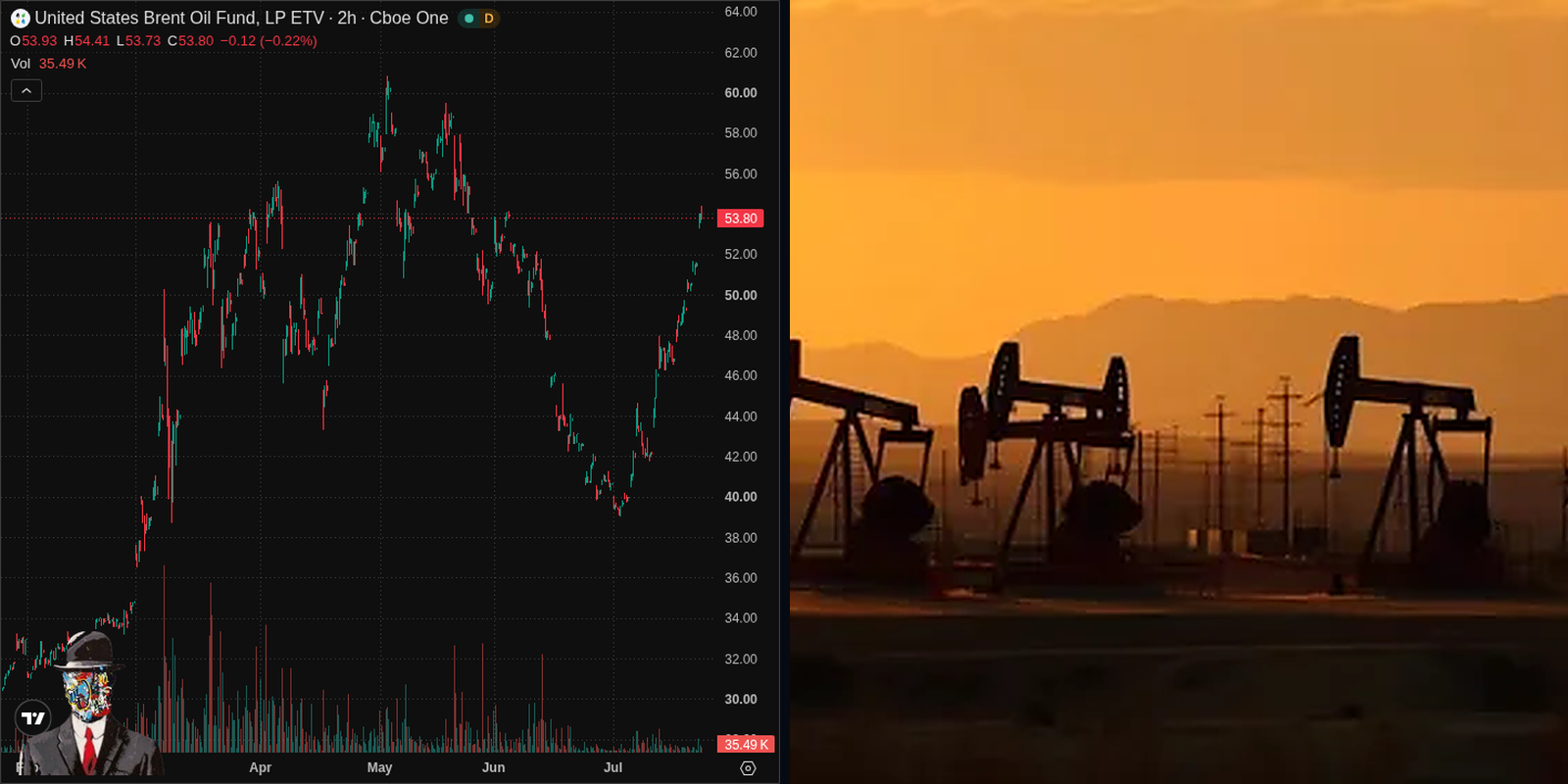
Brent Crude Surges Past $100
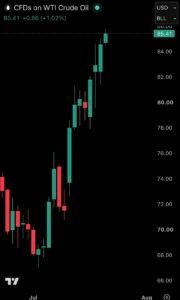
Brent crude oil prices have surged above the $100 per barrel mark, driven by escalating tensions in the Red Sea region. Recent Houthi attacks on Saudi oil tanker vessels have heightened supply risks, prompting concerns over potential disruptions in global oil trade routes. The intensification of these geopolitical events has created a ripple effect in the commodity markets, leading to higher prices at the pump and potential inflationary pressures across economies reliant on oil imports.
AI Spending and Market Reactions
As oil prices rise, tech stocks are feeling the pressure from rising concerns regarding artificial intelligence (AI) spending. Alphabet Inc.’s recently unveiled plans to ramp up AI investments have raised eyebrows among investors, especially given the company’s current negative free cash flow status. This spending spree has triggered discussions about the sustainability of tech investment in an inflationary environment, as investors weigh the trade-offs between aggressive growth and financial stability.
Seema Shah, Chief Global Strategist at Principal Asset Management, expressed cautious optimism about the market outlook, suggesting that while AI has the potential to drive significant long-term returns, the immediate financial implications could be challenging. Concerns about rising costs associated with these technologies, coupled with a volatile oil market, are fueling uncertainty.
Blackstone’s Approach to AI Investment
In stark contrast to Alphabet’s situation, Jon Gray, President and COO of Blackstone, highlighted the positive impact of leaning into AI for investors. He noted that Blackstone’s strategy of investing in AI infrastructure and data centers is yielding substantial returns. The firm’s proactive stance on AI investments demonstrates a belief in the technology’s capacity to enhance operational efficiency and profitability in the long run.
Market Implications of Rising Oil Prices
The ramifications of oil crossing the $100 threshold are numerous. Higher oil prices typically lead to increased transportation and production costs, which in turn can contribute to inflationary pressures in various sectors. This inflation is particularly concerning for central banks, which may be forced to reconsider their monetary policies in response to rising energy costs.
Christine Lagarde, President of the European Central Bank, has already signaled that sustained high energy prices could complicate the bank’s efforts to manage inflation. As energy costs rise, the ECB may face difficult decisions regarding interest rates, which could have cascading effects on the European economy and beyond.
Future Market Trends to Watch
Investors should keep an eye on several critical indicators in the coming weeks, including the potential for continued volatility in oil prices and the broader implications for central bank policies. Key upcoming events will include the ECB’s policy meetings and updates on inflation data, which could provide further insights into the market’s direction.
Additionally, as tech companies continue to announce their AI spending strategies, the market will be closely watching for signs of financial strain or operational success. The interplay between rising oil prices and tech investments will be crucial in shaping market sentiment as we move forward.








Comments are closed.