
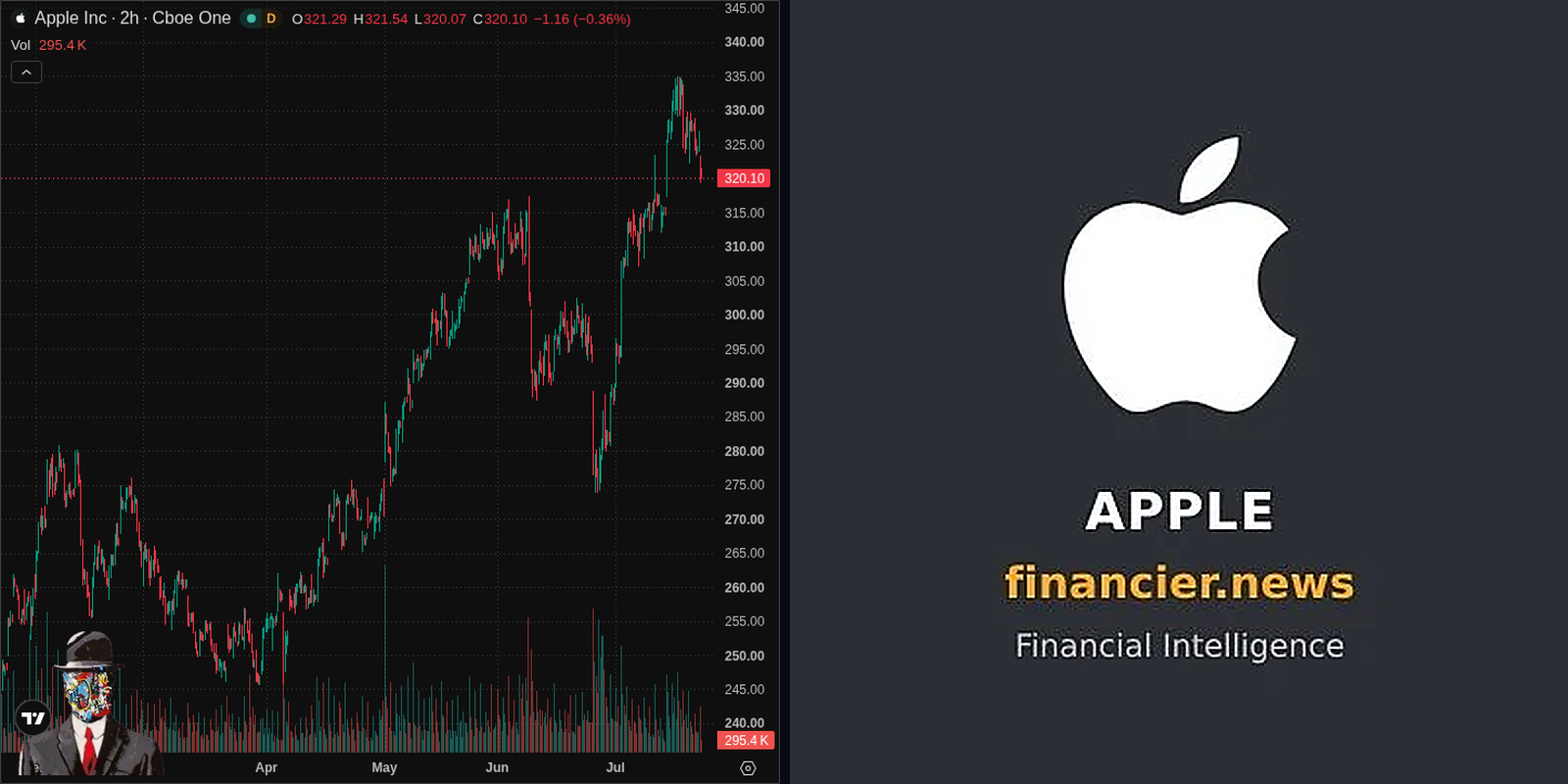
Tech Stocks Under Scrutiny Amid Geopolitical Risks
As global markets brace for a turbulent trading day, technology stocks are once again in the spotlight. With insights from industry leaders like BlackRock’s Russ Koesterich, who shared his perspectives on tech stocks, investors are keenly observing how these high-flying shares respond to geopolitical tensions, particularly the ongoing US-Iran conflict.
Koesterich emphasized that while some tech giants have shown resilience, uncertainty in international relations could impact their stock performance. Historically, tech stocks have been sensitive to market volatility, and the current geopolitical landscape has investors questioning the sustainability of recent gains.
US-Iran Conflict: Economic Implications
Jon Lieber, Managing Director of Eurasia Group, provided an analysis of the US-Iran conflict and its implications for the US economy. According to Lieber, escalating tensions could lead to increased consumer prices and a potential slowdown in economic growth. This sentiment is echoed by Citi Research US Economist Veronica Clark, who noted a measurable reaction in the markets in response to the conflict.
Clark stated that the markets had already begun to factor in potential disruptions, particularly in energy prices. Any prolonged conflict could see oil prices surge, feeding inflationary pressures that could undermine consumer confidence and spending power. This scenario raises the stakes for companies reliant on consumer spending, particularly in the tech sector.
Capital Expenditure Trends: Alphabet’s Strategy
Moreover, D.A. Davidson’s Head of Technology Research, Gil Luria, discussed Alphabet’s recent capital expenditure plans. Luria pointed out that Alphabet is ramping up its investments in artificial intelligence, which may be a strategic move to bolster its market position amidst rising competition. With increased spending on AI, Alphabet aims to enhance its services and maintain a technological edge.
However, this strategy comes at a cost. Investors are questioning the sustainability of Alphabet’s profit margins, especially in light of comments from Baird’s Senior Research Analyst, Ben Kallo, regarding a potential decline in Tesla’s profits. This mixed sentiment highlights the fragile balance between investment in innovation and the pressures of maintaining profitability.
Central Bank Policies: Inflation and Interest Rates
In the backdrop of these discussions, the role of central banks remains pivotal. Pooja Kumar from TD Securities weighed in on the European Central Bank’s recent interest rate decisions, which are closely watched by investors for clues about future monetary policy. The ECB is navigating a challenging landscape marked by inflationary pressures and economic uncertainties.
As inflation risks escalate, central banks worldwide are expected to adopt cautious stances, which could further affect market dynamics. FHN Financial’s Senior Economist, Sophia Kearney-Lederman, provided insights into the broader economic outlook, suggesting that economic indicators will be crucial in shaping future policy decisions.
Market Watch: Future Trading Days
As we move forward, investors should keep a close eye on how these geopolitical tensions and central bank decisions will influence market behavior. Upcoming economic data releases and potential developments in the US-Iran conflict will be critical indicators of market sentiment. A heightened focus on tech spending and its implications for various companies will also be key.
In particular, the earnings reports from major tech firms and any shifts in central bank policy could signal broader market trends. For now, the interplay between geopolitical risks and economic indicators will be fundamental as traders prepare for the next trading day.








Comments are closed.