
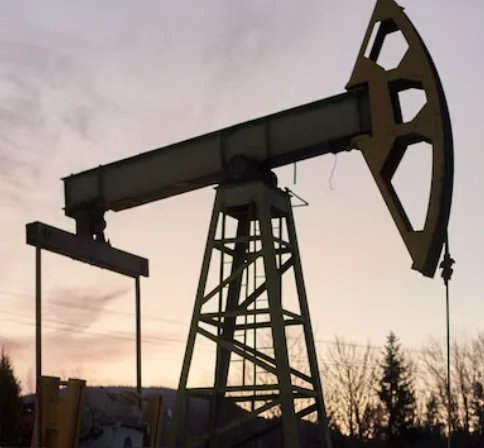
- Oil prices fell for a sixth straight session, the longest losing streak in a year, with Brent and WTI both under pressure.
- Reports that Saudi Arabia has restarted its east-west pipeline added to bearish sentiment by easing supply concerns.
- Hopes for progress in US-Iran talks also weighed on crude, as traders priced in the possibility of more Iranian barrels returning to the market.
- Germany’s flash PMI showed the strongest rise in business activity in almost a year, with services rejoining manufacturing in growth territory.
- German employment rose for a second consecutive month even as inflation pressures resurfaced.
Oil prices extended their decline on Wednesday, falling for a sixth consecutive session in the longest losing streak in a year. The move lower came as traders weighed two developments that could loosen the global supply picture: reports that Saudi Arabia has restarted its east-west pipeline, and signs of potential progress in negotiations between the United States and Iran.
Crude benchmarks have been under pressure as the market reassesses the balance between supply and demand. The reported restart of the Saudi east-west pipeline, which carries crude from the kingdom’s eastern fields to the Red Sea coast, would give Riyadh additional flexibility to move barrels without relying on routes through the Strait of Hormuz. For a market that has spent much of the past year pricing in geopolitical risk premiums, any improvement in the logistics of getting oil to buyers tends to weigh on prices.
US-Iran Talks in Focus
The prospect of diplomatic progress between Washington and Tehran has added to the bearish tone. Iran holds some of the world’s largest proven oil reserves, and its exports have been constrained by sanctions. Any credible path toward a relaxation of those restrictions would, in theory, allow more Iranian crude to reach international markets, adding to global supply at a time when demand growth expectations are already being questioned.
That said, negotiations between the two countries have repeatedly stalled in the past, and traders are likely to remain cautious about pricing in a full return of Iranian barrels before any concrete agreement emerges. The direction of oil prices in the coming sessions will depend heavily on whether talks show tangible movement or fade once again into a stalemate.
German Economy Shows Resilience
While oil traders focused on supply, the broader economic picture in Europe offered a more encouraging signal. According to the latest flash PMI survey from S&P Global, businesses in Germany recorded a “solid and accelerated increase” in output of goods and services at the end of the third quarter.
The data pointed to the strongest rise in business activity for almost a year, with the service sector finally rejoining manufacturing in growth territory after a quieter stretch that followed the outbreak of the Middle East war. German businesses reported further signs of resilience in September, with output growth picking up speed, expectations toward the outlook holding steady, and employment rising for a second month running.
Inflation Pressure Returns
The upbeat activity figures came despite renewed pressure on the inflation front, a combination that could complicate the outlook for European policymakers. Stronger growth alongside sticky price pressures may limit how quickly the European Central Bank can ease policy, even as the region’s largest economy shows signs of turning a corner.
For markets, the divergence matters. A firmer German economy supports demand expectations for energy, while additional supply from Saudi Arabia and potentially Iran pulls prices in the opposite direction. Oil’s sixth straight decline reflects which force is currently winning, but the tug-of-war between supply headlines and demand signals is unlikely to resolve quickly.





Comments are closed.