

What Happened
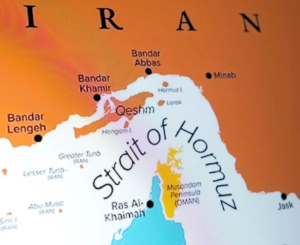
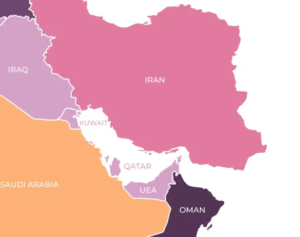
Iran’s military leadership has announced the closure of the Strait of Hormuz, a critical maritime passage, in response to ongoing Israeli military actions in Lebanon. This move represents a significant escalation in regional tensions and has raised concerns about the potential impact on international oil shipments and broader geopolitical negotiations.
The Strait of Hormuz is a vital chokepoint through which approximately 20% of the world’s oil passes, making any disruption a point of concern for global markets. The Iranian military’s declaration underscores its readiness to take decisive actions amid heightened conflicts with Israel, particularly surrounding military operations in Lebanon.
Why It Matters
The closure of the Strait could have immediate ramifications on oil prices, which have already been volatile due to various geopolitical tensions. Analysts are closely monitoring these developments, as any prolonged disruption could lead to a spike in oil prices globally. The price of Brent crude, a global benchmark, has been hovering around $83 per barrel; however, any significant news regarding the Strait could push prices even higher.
Furthermore, the announcement comes at a time when nuclear negotiations between Iran and Western powers, including the United States, are in a precarious state. The negotiations, aimed at reviving the 2015 nuclear deal, have faced numerous setbacks, and Iran’s recent military posturing may serve to complicate these talks further.
Market reactions to geopolitical news often result in increased volatility. Investors are likely to act swiftly in anticipation of changes in oil supply, with oil-related stocks and commodities possibly experiencing sharp movements. This situation could lead to a reassessment of energy stocks, particularly those heavily exposed to Middle Eastern oil exports.
As tensions escalate, the possibility of military confrontation also looms. The Strait’s closure serves as a clear warning from Iran, signaling that it will not tolerate foreign military interventions near its borders. This could lead to increased military presence in the region from both Iranian forces and allied entities, further heightening the risk of conflict.
Looking Ahead
Investors and analysts alike will be keeping a close eye on the developments following this announcement. The impact on oil prices will be paramount, and market participants must remain vigilant in the face of potential disruptions.
In the broader context, the situation underscores the fragility of the current geopolitical climate in the Middle East. As global powers continue to navigate diplomatic channels, the stakes are high, and any missteps could lead to significant geopolitical and economic ramifications.
In conclusion, the temporary closure of the Strait of Hormuz due to Iranian military actions not only poses immediate risks to oil supply but may also further complicate nuclear negotiations. Stakeholders must monitor the evolving situation closely, as developments will likely reverberate through the energy markets and beyond.








Comments are closed.