
Hormuz Blockade Risks Oil, AI Deals in Focus
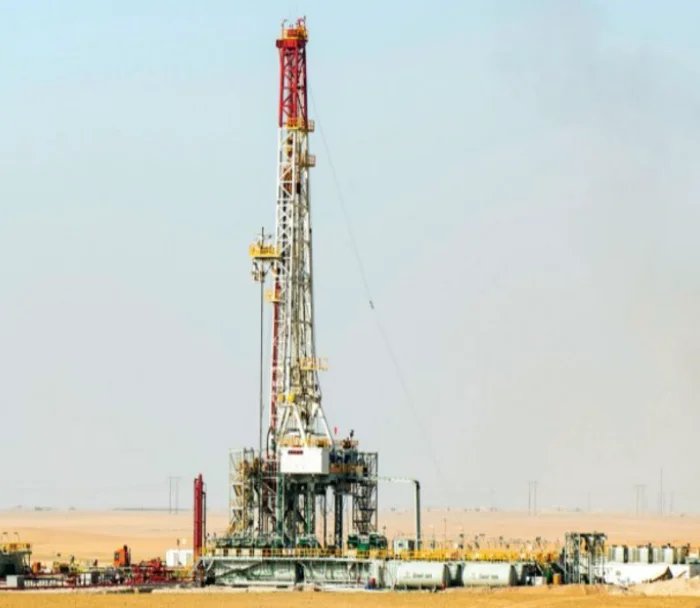
Global markets are on edge as doubts grow over a deal to reopen the Strait of Hormuz, a vital shipping route for about 20% of global oil supply. President Trump claims the US “totally controls” the strait, but Iran insists it will remain closed until its conditions are met, escalating tensions that have already pushed oil prices higher. Traders are now weighing the risk of prolonged disruption, while investors await US core CPI data for clues on how the Iran war is affecting inflation and Federal Reserve policy.
Oil Extends Gains on Hormuz Uncertainty
Oil prices extended gains as the standoff over Hormuz continued, with no clear resolution in sight. The US said it fired on a vessel accused of violating the blockade, while Pakistan’s interior minister traveled to Iran for talks, signaling diplomatic efforts to defuse the crisis. Analysts warn that a sustained closure could tighten global supply significantly, with some estimates suggesting a potential spike if the disruption lasts more than a few weeks.
Meanwhile, the yen moved toward ¥160 per US dollar, raising intervention concerns as traders watch for possible action from Japanese authorities. Asian stocks gained on stronger technology shares, but the broader market sentiment remains cautious amid geopolitical risks and upcoming inflation data.
CoreWeave’s AI Backlog Hits $104 Billion
In technology, CoreWeave shares surged as its AI backlog reached $104 billion, with an additional $25 billion in new deals, underscoring explosive demand for AI infrastructure. This comes as Nvidia’s credit risk eased after its CEO clarified the company’s $500 billion AI infrastructure plan, reassuring investors about the scale of capital spending. Super Micro shares also jumped after its outlook topped the highest forecast, driven by strong AI server demand.
South Korea’s sovereign wealth fund is also preparing to expand its role in the global AI race, signaling that governments are increasingly viewing AI as a strategic asset. These developments highlight the rapid growth of AI-related investments, even as markets grapple with geopolitical headwinds.
Libyan Refinery Hit in Fifth Attack
Elsewhere, a Libyan oil refinery was hit in the fifth attack on the Zawiya facility, adding to supply concerns in the region. The repeated strikes have disrupted operations and could further strain global oil markets already vulnerable to Hormuz-related risks. Meanwhile, Syria sentenced former President Bashar al-Assad to death, and Russia is seeking a deal to secure its Syrian bases as a hub for operations in Africa.
In the Middle East, Presight AI reported a 30% jump in second-quarter profit and secured AED 2.5 billion in domestic deals, showcasing resilience in the region’s tech sector. The company’s CEO, Thomas Pramotedham, noted strong demand for AI solutions, aligning with the broader global trend.
Zambia, Nigeria, and Kenya in Focus
Zambia’s presidential election is set for Thursday in a tight race that could have significant implications for the country’s copper mining sector. In Nigeria, new tax incentives aim to attract $50 billion in deep-water oil investment, a move that could boost output and revenue. Kenya held interest rates steady, balancing inflation concerns with economic growth support.
MTN took a write-down linked to its Iran exposure, reflecting the broader financial fallout from the conflict. These developments show how geopolitical tensions are rippling through emerging markets and corporate balance sheets.
What to Watch: CPI Data and Hormuz Diplomacy
Investors should watch the upcoming US core CPI report, expected to fall to its lowest since March 2021, which could influence Fed rate decisions. Any progress in Hormuz talks, particularly through Pakistan’s mediation, could ease oil prices, while a breakdown would likely push them higher. The yen’s movement toward ¥160 remains a key trigger for potential intervention, and AI-related earnings will continue to drive tech sentiment.









Comments are closed.