
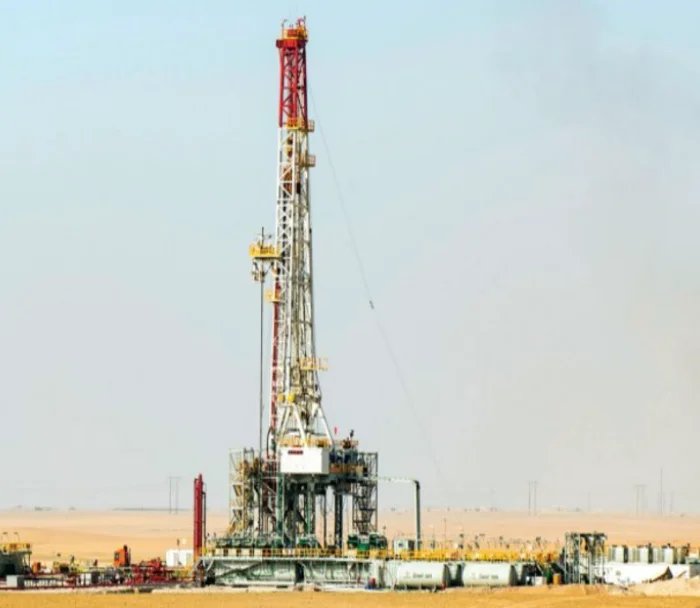
Rising Oil Prices and Their Impact
The recent spike in oil prices has raised significant concerns among investors and policymakers alike. As crude oil soared past $90 per barrel, the implications for inflation and monetary policy are becoming increasingly pronounced. The European Central Bank (ECB) is now under pressure to address the potential economic fallout from these developments.
Since the beginning of the year, oil prices have rallied due to a variety of factors, including production cuts from OPEC+ and escalating geopolitical tensions. This surge has far-reaching consequences, especially for the eurozone, where energy costs play a crucial role in inflation metrics.
How the ECB Might Respond
Given this backdrop, market watchers are keenly awaiting the ECB’s upcoming meetings to see how policymakers will respond. Economists are divided on whether the central bank will adjust interest rates in light of the elevated oil prices. Some believe that additional rate hikes may be necessary to combat inflation fueled by rising energy costs, while others argue that the ECB should remain cautious, given the potential risks to economic growth.
Currently, the ECB’s benchmark interest rate stands at 4%, a level not seen in over two decades. If oil prices continue to rise, increasing rates might become a more compelling option for the central bank. However, any decision to raise rates further could also lead to an economic slowdown, exacerbating existing issues in the eurozone economies.
Market analysts are predicting a possible 25 basis point increase in the coming months, but this remains contingent on how oil prices perform and whether inflation increases further. The Consumer Price Index (CPI) in the eurozone has already shown signs of resilience, and further pressure from oil prices could push inflation back above the ECB’s target of 2%.
Market Sentiment and Economic Outlook
Market sentiment is mixed as traders navigate the complex interplay between rising oil prices and central bank policies. The euro has shown some resilience against the dollar, yet uncertainty looms over future economic growth in the region. Analysts suggest that the ECB will likely take a wait-and-see approach, monitoring key economic indicators before making any drastic moves.
Additionally, external factors such as the U.S. Federal Reserve’s monetary policy will also play a significant role in the ECB’s decision-making process. As the Fed continues to combat inflation, its actions could influence eurozone markets and the ECB’s strategy. A synchronized tightening of monetary policies could lead to further volatility in currency markets.
In the commodities space, the Brent crude oil price has also been affected by these developments, reaching levels that could translate into higher costs for consumers across Europe. This situation underscores the delicate balance the ECB must maintain as it weighs the risks associated with inflation against the need to support economic growth.
Conclusion
As oil prices continue to climb, the ECB finds itself at a crossroads. The central bank’s response will not only impact inflation rates but also the broader economic landscape in the eurozone. With potential rate hikes on the table, the next few months could prove pivotal for the European economy.
Investors should remain vigilant as they assess the evolving situation. The forthcoming ECB meetings will be crucial in determining how the central bank balances the challenges of rising oil prices, inflation, and economic growth.










Comments are closed.