

What Happened
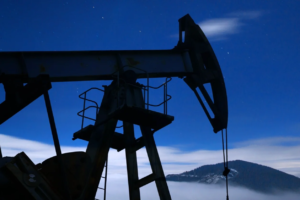
The Canadian government has announced plans for a new oil pipeline that will connect the eastern and western regions of the country. This ambitious project is part of Canada’s strategy to reduce its reliance on U.S. oil imports and bolster its energy independence. Currently, Alberta, which is rich in oil reserves estimated at around 158.9 billion barrels, is the focal point of Canada’s oil production.
In 2025, the United States accounted for approximately 63.4% of Canadian crude oil exports, underlining the significance of U.S. markets to the Canadian oil industry. The Canadian government aims to shift this dependency and ensure that more resources are utilized domestically. However, the initiative has sparked controversy, particularly regarding its compatibility with Canada’s climate commitments.
Why It Matters
Canada’s energy landscape is intricate, shaped by both economic and environmental factors. The new pipeline could facilitate increased transportation of oil from Alberta to other parts of Canada, creating jobs and stimulating local economies. Proponents argue that this could help stabilize energy prices and enhance Canada’s energy security.
However, environmental advocates have raised concerns, arguing that expanding pipeline infrastructure contradicts Canada’s climate targets. As the global community intensifies its focus on reducing carbon emissions, the oil pipeline project could be seen as a step back in the fight against climate change. Critics fear that increased oil production could undermine efforts to transition to renewable energy sources.
Currently, Canada is facing pressure to balance economic growth with sustainability. The country has set ambitious climate goals, aiming to achieve net-zero emissions by 2050. This juxtaposition between economic needs and environmental responsibilities presents a complex challenge for policymakers.
Market Reactions
The announcement has already had ripple effects in the market. Oil prices, which have been volatile in recent months, are expected to see fluctuations as investors respond to the potential for increased supply. The West Texas Intermediate (WTI) crude oil price, which is a benchmark for U.S. oil prices, may react to these developments as traders assess the implications for supply chains.
Moreover, the Canadian dollar (CAD) could experience changes based on the success and progress of the pipeline project. If the pipeline leads to an uptick in oil exports, it may strengthen the CAD against other currencies. Traders are closely monitoring these developments, given that oil remains a significant component of Canada’s exporting economy.
Looking Ahead
As Canada embarks on this ambitious pipeline project, the coming months will be crucial in determining its feasibility and acceptance. The government will need to address environmental concerns while promoting economic benefits to gain public and political support. The balance between energy independence and climate responsibility will be pivotal as Canada navigates this complex landscape.
In conclusion, the new pipeline proposal marks a significant step in Canada’s energy policy, emphasizing the need for strategic planning that aligns with both economic growth and environmental sustainability. Stakeholders will be watching closely to see how this initiative unfolds and its broader implications for the energy market.









Comments are closed.