
Jensen Huang Shares Insights on AI and Tech Advancements
In an exclusive interview on Bloomberg This Weekend, Jensen Huang, CEO of Nvidia, discussed the transformative impact of artificial intelligence on various industries. Huang emphasized that AI is not merely a tool but a revolutionary force reshaping sectors from healthcare to automotive technology.
During the interview, Huang pointed out the necessity for companies to adapt to this rapidly changing technological landscape. He noted that firms integrating AI effectively can expect substantial benefits, including increased efficiency and better decision-making processes. This comes at a time when Nvidia’s stock has been performing strongly, reflecting investors’ confidence in its innovative capabilities.
Political Tensions and Their Economic Implications
The geopolitical landscape was a focal point of discussion, particularly with the ongoing conflict in Iran. Recent reports indicate that oil prices have risen significantly as tensions escalate in the region, affecting global markets. Industry experts are predicting that continued unrest could lead to further increases in energy costs, which would have a cascading effect on inflation and consumer spending.
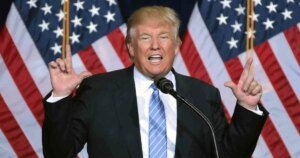
Additionally, former President Donald Trump’s rhetoric at the recent White House Correspondents’ Dinner has stirred controversy, as he criticized the media and reiterated his tough stance on foreign policy. His claim that the U.S. is ‘locked and loaded’ in response to Iran’s actions has added more uncertainty to an already volatile market. The implications of these statements extend beyond immediate political concerns; they raise questions about U.S. energy independence and the future of international trade agreements.
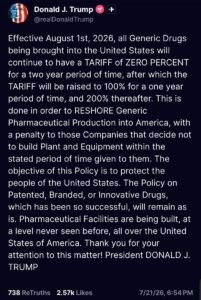
Moreover, Trump’s proposal to rebuild the tariff wall could impact various sectors, especially manufacturing and technology, as companies brace for potential supply chain disruptions. Analysts suggest that these developments could lead to a decline in stock prices for firms heavily reliant on imports.
Market Reactions Amidst Rising Health Concerns
Another alarming trend is the recent spike in measles infections in the U.S., which hit a 35-year high. Health experts warn that such outbreaks could strain public health systems and potentially lead to increased health-related expenditures. The economic ramifications of a health crisis can be profound, affecting everything from labor productivity to consumer confidence.
In the corporate sector, Tesla’s Cybertruck has failed to garner the expected consumer enthusiasm, raising concerns about the company’s future product lines. With sales reports coming in below projections, some analysts are re-evaluating their forecasts for Tesla’s growth amid increasing competition in the electric vehicle market.
Future Outlook: AI, Geopolitics, and Public Health
As we look ahead, several key indicators will be crucial in determining market trajectories. Investors should keep an eye on upcoming economic reports that detail inflation rates and consumer spending patterns, particularly as they relate to rising energy prices and health care costs.
Additionally, any developments in U.S.-Iran relations could send shockwaves through global markets, especially in oil and commodities. The upcoming meetings between Trump and foreign leaders, including Ukrainian President Volodymyr Zelenskyy, will also be pivotal in shaping the geopolitical landscape.
In the tech realm, Nvidia’s performance will be closely monitored as it continues to lead in AI advancements. Any major breakthroughs or setbacks could impact stock prices and investor sentiment across the tech sector.








Comments are closed.