
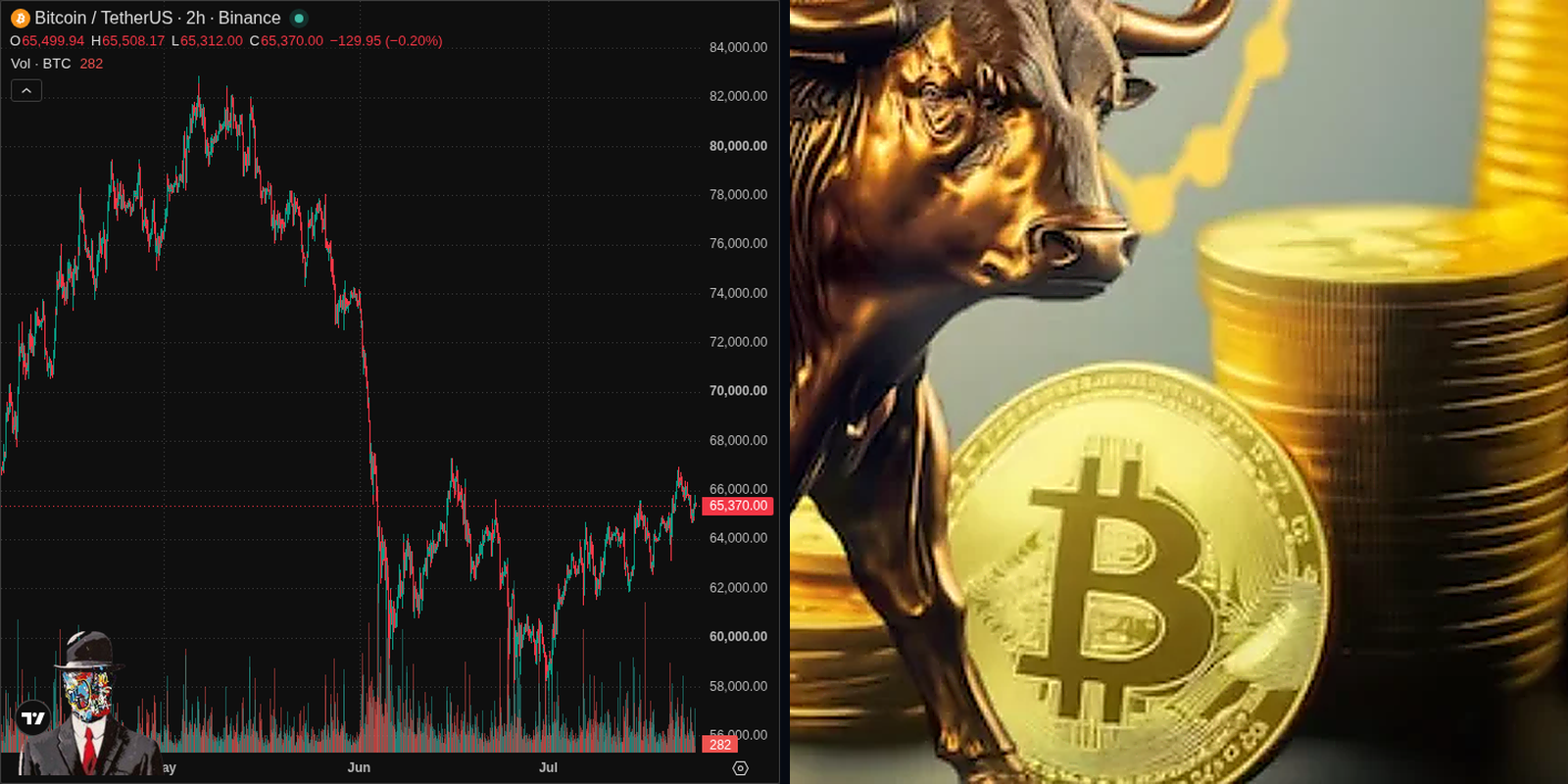
Bitcoin Steadies Near $65K Amid Middle East Uncertainty
Bitcoin traded near the $65,000 mark as heightened tensions in the Middle East continued to dampen risk appetite across digital asset markets. Over the past 24 hours, the leading cryptocurrency slipped 0.43%, while Ethereum fell 2.23%, reflecting a cautious tone among traders. The broader altcoin sector experienced deeper declines, with BNB, XRP, Solana, Hyperliquid, Dogecoin, and Cardano dropping by as much as 4.09%. In contrast, Tron managed a marginal gain of 0.05%, standing out as an outlier in the generally negative session.
Why $65K Support Matters for Bitcoin’s Near-Term Path
The $65,000 level has acted as a key psychological support for Bitcoin over the past several trading sessions. Holding above this threshold suggests that despite geopolitical headwinds, buying interest remains resilient. However, the inability to push decisively higher indicates that sellers are using the recent uncertainty to cap upside. A sustained break below $65,000 could accelerate losses, while a bounce from this zone might attract dip buyers looking for value.
Bitcoin’s 24-hour trading volume remained elevated, signaling active participation from both retail and institutional players. The cryptocurrency’s correlation with traditional safe-haven assets like gold has shown signs of strengthening, as investors weigh the implications of a potential conflict escalation on global markets.
Ethereum Underperforms as Altcoin Sentiment Falters
Ethereum’s 2.23% decline outpaced Bitcoin’s losses, highlighting the asset’s sensitivity to shifts in speculative demand. The second-largest cryptocurrency is currently trading below its 50-day moving average, a technical signal that has historically preceded further downside. The upcoming Pragma Lisbon 2026 conference, scheduled for July 25 in Lisbon, Portugal, may serve as a catalyst for Ethereum-related discussions, but near-term price action remains driven by macro factors.
Among the broader altcoin market, the sell-off was widespread. BNB fell 3.8%, XRP dropped 2.9%, and Solana declined 4.1%. Dogecoin and Cardano both lost over 3%. The only major token to post gains was Tron, which edged up 0.05%, likely due to isolated demand from its decentralized finance ecosystem.
Geopolitical Fears Override Positive Event Calendar
The negative sentiment overshadowed an otherwise constructive events calendar. The Bitcoin++ Plus Plus Toronto 2026 conference, running from July 22 to 24 at The Great Hall in Toronto, brought together developers, researchers, and protocol experts to discuss the next generation of Bitcoin. Such developer-focused gatherings typically reinforce long-term network fundamentals, but have limited immediate impact on spot prices during periods of macro uncertainty.
Similarly, the upcoming Pragma Lisbon 2026 event, focused on Ethereum and Web3 technologies, could generate positive buzz for the ecosystem. However, until geopolitical tensions ease, such catalysts are likely to take a backseat to broader risk-off positioning.
Broader Market Signals and the $60K Floor
Options market data shows that open interest at the $60,000 strike has increased over the past 48 hours, suggesting that some traders are hedging against a deeper correction. At the same time, the Bitcoin Fear & Greed Index has slipped into the “fear” zone, reflecting deteriorating sentiment. If the index falls further, it could signal capitulation, which historically has been a contrarian buying opportunity.
On the funding rate front, perpetual futures markets are showing slightly negative funding rates, indicating that short sellers are paying to maintain their positions. This imbalance could lead to a short squeeze if prices stabilize or rally, adding a layer of technical risk for bearish traders.
What to Watch: Bitcoin’s Next Test at $68K
The key level to monitor in the coming days is $68,000. A decisive break above this resistance, accompanied by rising volume, would signal that buying pressure has overcome the geopolitical drag. Conversely, a failure to hold $65,000 could open the door to a retest of the $60,000 support zone. The release of U.S. economic data later this week, along with any developments in Middle East diplomacy, will likely determine the next directional move.







Comments are closed.