
Berkshire Buybacks Surge as Cash Falls
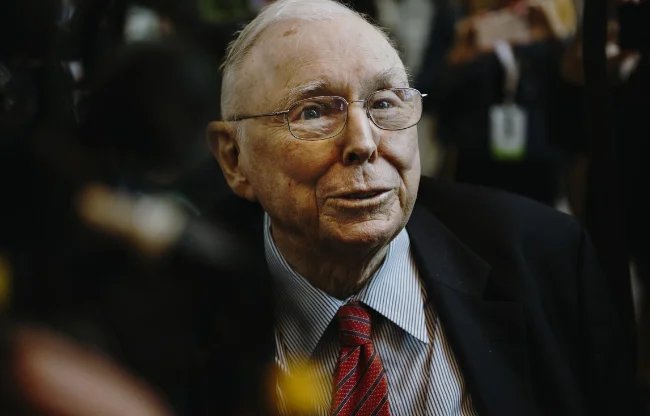
Berkshire Hathaway accelerated its share repurchases and trimmed its cash pile in the second quarter, while reporting operating earnings that beat analyst estimates. The company bought back $4.5 billion of its own stock during April–June and another $3.3 billion in July, building on a buyback program resumed in March after a nearly two-year pause.
Why Buybacks Accelerated After The Pause
The buyback pace reflects management’s view that Berkshire’s shares remain undervalued relative to its intrinsic worth. In the first half of 2025, the company repurchased a total of $7.8 billion, a sharp contrast to the prior fourteen quarters when it was a net seller of equities.
This shift is notable because Berkshire had held back from buybacks for nearly two years, preferring to conserve cash for potential acquisitions or market opportunities. The acceleration suggests that CEO Greg Abel, who took over from Warren Buffett in early 2025, is more willing to deploy capital directly into the company’s own stock when valuations are attractive.
Alphabet Stake Grows To $10 Billion
Berkshire also added $10 billion to its position in Alphabet, the parent company of Google and YouTube. That purchase makes Alphabet one of Berkshire’s largest holdings by market value, alongside long-standing positions in Apple, Bank of America, and Coca-Cola.
The increased Alphabet investment signals a continued appetite for mega-cap technology names, even after Berkshire trimmed some other tech positions in recent years. It also diversifies Berkshire’s portfolio beyond its traditional insurance, railroad, and energy businesses.
Quarterly Profit Rises 16% To $12.98 Billion
Operating profit climbed 16% year-over-year to $12.98 billion, exceeding consensus forecasts. Revenue increased 10% to $101.81 billion, helped by strength across several operating units.
The BNSF railroad division and service businesses, including NetJets and electronic-components distributor TTI, posted solid gains. Those improvements partially offset weakness at Geico, the auto insurer, where claims costs and competitive pressures weighed on results.
What’s Driving The Net Buyer Shift
Berkshire bought nearly $20 billion more in shares than it sold during the quarter, ending a fourteen-quarter streak as a net seller. This marks a strategic pivot from the defensive posture that characterized the post-2023 period, when Buffett accumulated a record cash reserve.
The company’s cash holdings declined as a result, though the exact figure was not disclosed in the provided context. The reduction suggests that management sees better opportunities in buybacks and select equity purchases than in holding cash at current yields.
For investors, the move is a signal that Berkshire’s leadership believes the market is undervaluing its own shares and that its portfolio companies remain fundamentally strong.
Which Divisions Outperformed And Lagged
BNSF continued to benefit from steady freight volumes and pricing, while NetJets saw increased demand for luxury air travel. TTI, the electronics distributor, capitalized on strong demand in the semiconductor and industrial supply chain.
Geico, however, faced margin pressure from higher claims frequency and severity, particularly in personal auto lines. The insurer has been investing in technology and underwriting improvements, but those efforts have yet to fully offset the competitive environment.
Overall, the diversified model proved resilient, with gains in transportation and services offsetting insurance headwinds.
What To Watch: Cash Level And Buyback Pace
Investors should watch Berkshire’s quarterly cash balance and the pace of repurchases in the coming months. A continued reduction in cash, alongside sustained buybacks, would confirm that management sees limited acquisition targets and prefers returning capital to shareholders.
The next earnings report, due in early November, will reveal whether July’s buyback momentum continued and whether any new large equity purchases were made. A further increase in the Alphabet stake or additional buybacks would reinforce the thesis that Berkshire is committed to aggressive capital deployment.







Comments are closed.