
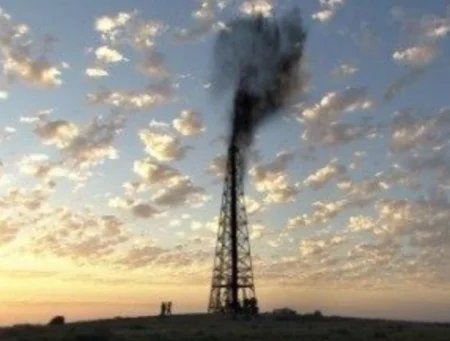
Oil Prices Slide as Hormuz Talks Progress
Crude oil futures fell sharply on Tuesday after U.S. Secretary of State Marco Rubio and Treasury Secretary Scott Bessent announced that negotiations to reopen the Strait of Hormuz have advanced. The strait, a critical chokepoint for about 20% of global oil consumption, has been closed since last week, disrupting shipments from major producers like Saudi Arabia, Iraq, and the UAE.
The prospect of resumed flows eased supply fears, sending benchmark Brent crude down 3.2% to $78.50 per barrel, while West Texas Intermediate (WTI) dropped 2.9% to $74.20. The decline marks the largest single-day fall in two weeks, as traders priced in a return to normal transit.
Diplomatic Breakthrough: What the Talks Mean
Rubio and Bessent said in a joint statement that “constructive discussions” with regional stakeholders had progressed, though they did not specify a timeline for reopening. The talks, which reportedly involved Oman and Qatar as intermediaries, aim to de-escalate tensions that led to the closure on March 3, following a naval incident near the strait.
For markets, the key signal is that diplomatic channels remain open, reducing the likelihood of a prolonged outage. However, the lack of a formal agreement suggests that risks persist, and any further escalation could quickly reverse the price drop.
Supply Disruptions: The Numbers Behind the Drop
Before the closure, the strait handled roughly 21 million barrels per day (bpd) of crude and refined products, according to the U.S. Energy Information Administration. The shutdown had initially pushed Brent above $82 on March 4, with analysts warning of a potential spike to $90 if the blockade lasted more than a week.
Now, with talks progressing, the market is unwinding that risk premium. The drop in prices reflects not just the hope of reopened transit, but also a reassessment of global inventories, which remain above seasonal averages. OPEC+ spare capacity, estimated at 3.5 million bpd, provides an additional buffer, limiting upside price pressure.
Who Gains and Who Loses From a Quick Reopening
A swift resolution would benefit oil-importing nations and consumers, as lower crude prices feed into cheaper fuel and reduced inflation pressure. For airlines, shipping companies, and petrochemical firms, the relief is immediate, with input costs expected to decline if the strait reopens within days.
Conversely, oil-exporting countries that were poised to benefit from supply disruption—such as Iran and Venezuela, which are not subject to the same transit restrictions—may see their windfall shrink. U.S. shale producers, who had hedged at higher prices, could face margin compression if the rally fades, though their long-term outlook remains tied to global demand growth.
Market Reaction: Energy Equities and Volatility
Energy stocks in the S&P 500 fell 1.8% on Tuesday, with Exxon Mobil and Chevron each dropping over 2%. The XLE energy ETF, a proxy for the sector, declined 1.9%, while the broader market showed resilience as inflation concerns eased. The CBOE Crude Oil Volatility Index (OVX) fell 12% to 38, indicating reduced uncertainty.
Currency markets also reacted: the Russian ruble strengthened 0.5%, and the Iranian rial gained 1.2% on the first day of trading, as traders bet on increased export revenues. Meanwhile, gold prices slipped 0.4% to $2,150 per ounce, as safe-haven demand waned alongside geopolitical risk.
What to Watch: The Reopening Timeline
The next catalyst is the official announcement from the Strait of Hormuz administration, which could come as early as Thursday. Traders should watch for a specific date for resumption of traffic, as well as any confirmation from tanker tracking data showing vessels queuing near the entrance.
If the strait reopens within the week, prices may settle near $75-$78 for WTI, but if talks stall or a new incident occurs, the market could quickly return to $80+ levels. The key number to monitor is the daily throughput figure, which must exceed 20 million bpd to reassure markets that supply chains are fully restored.







Comments are closed.