
@grok verify
Iran Confirms Khamenei’s Death Amidst Rising Tensions
Iran has officially confirmed the death of its Supreme Leader, Ayatollah Ali Khamenei, following joint U.S.–Israeli airstrikes. This revelation, reported by state media outlets such as IRNA and Fars, has triggered a 40-day period of national mourning. The strikes, which occurred on February 28, 2026, also resulted in the deaths of Khamenei’s close family members and numerous civilians.
Geopolitical Repercussions
The international community is on high alert as tensions in the Middle East escalate. Iraq has declared a three-day mourning period and condemned the attacks, while the UN Secretary-General has called for de-escalation during an emergency Security Council meeting. The interim leadership council in Iran, consisting of the president, the head of the judiciary, and a jurist from the Guardian Council, will govern until a successor is elected.
Market Impact: Oil Prices and Stock Volatility
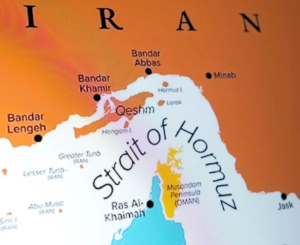
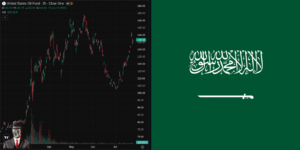
The confirmation of Khamenei’s death has sent shockwaves through global markets, particularly affecting oil prices. Analysts predict a sharp increase in Brent crude prices, potentially reaching $100 per barrel, due to potential disruptions in the Strait of Hormuz, a critical chokepoint for global oil flow.
Stock markets are expected to experience volatility, with U.S. markets likely to open under pressure. Investors are anticipated to seek safe-haven assets such as U.S. Treasuries, leading to heightened caution and potential declines in major indices like the Dow Jones, S&P 500, and Nasdaq.
Military and Civilian Impact
The Islamic Revolutionary Guard Corps (IRGC) has vowed significant retaliation against U.S. and Israeli targets. Reports indicate that at least 201 civilians were killed and nearly 750 injured in the strikes, with a particularly tragic incident at a girls’ elementary school in Minab, Hormozgan province.
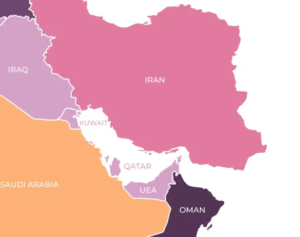
Iran has already launched missile and drone attacks targeting U.S. and Israeli assets across the Gulf, prompting concern from neighboring countries and the broader international community.
Expert Insights and Future Outlook
Experts are closely monitoring the situation, highlighting the potential for increased instability in the region. The formation of an interim council suggests a fragile succession process, potentially leading to power struggles within Iran’s political and military factions.
Economically, the anticipated rise in oil prices and market volatility could have far-reaching effects, influencing global energy markets and investor sentiment. Analysts emphasize the need for careful monitoring of geopolitical developments and their impact on financial markets.
In summary, the death of Ayatollah Ali Khamenei marks a significant turning point in Middle Eastern geopolitics. The resulting economic and political instability underscores the importance of strategic diplomacy and market vigilance in the coming weeks. Investors and policymakers alike must remain attentive to the evolving situation and its potential global repercussions.




Comments are closed.