
Israeli Claims of Ayatollah Khamenei’s Death Spark Tensions
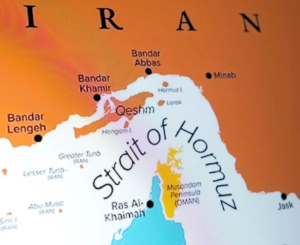
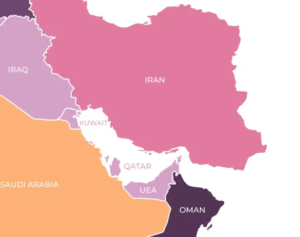
In a dramatic turn of events, Israeli officials have informed the United States that Ayatollah Ali Khamenei, Iran’s Supreme Leader, has been killed and his body has been found. The Iranian government has quickly dismissed these claims, asserting that Khamenei is ‘safe and sound’. The conflicting reports have sent ripples through international diplomatic circles and could have profound implications for the Middle East’s geopolitical landscape.
Market Reactions and Concerns
The news has already begun to affect global markets. Oil prices, which are sensitive to Middle Eastern geopolitical tensions, saw an immediate spike. Brent crude futures rose by 2% to $84.50 per barrel, while WTI crude increased by 1.8% to $82.30 per barrel. The uncertainty surrounding Iran’s leadership could lead to heightened market volatility, especially if the situation escalates.
Stock markets in the region experienced mixed reactions. The Tel Aviv Stock Exchange (TASE) fell by 1.3% amid concerns over potential retaliatory actions. Meanwhile, Iranian markets, already under pressure from ongoing sanctions, are bracing for further instability.
Geopolitical Implications
If confirmed, Khamenei’s death could lead to a power vacuum in Iran, with significant internal consequences. The Supreme Leader is a crucial figure in Iran’s political system, and his absence might lead to a struggle for succession among hardliners and reformists. This potential instability could impact Iran’s involvement in regional conflicts and its nuclear negotiations with world powers.
Internationally, the reports may exacerbate existing tensions between Israel and Iran. The two nations have a long history of animosity, and any perceived shift in power dynamics could influence their strategic actions. The U.S. and its allies will likely be closely monitoring the situation to respond appropriately to any developments.
Background and Context
Ayatollah Khamenei has been Iran’s Supreme Leader since 1989, wielding significant influence over the country’s political, military, and religious affairs. His leadership has been marked by a steadfast opposition to Western influence and a commitment to Iran’s Revolutionary principles. In recent years, Khamenei has been at the center of Iran’s nuclear ambitions and its regional engagements in Syria, Iraq, and Yemen.
Uncertainty Lingers
While the Israeli report has garnered international attention, the lack of concrete evidence leaves room for skepticism. Until more information is substantiated, uncertainty will likely prevail. Analysts suggest that the coming days will be critical in determining the veracity of these claims and their potential impact on regional and global stability.
Summary and Outlook
The reports of Ayatollah Khamenei’s death have injected new uncertainty into the geopolitical landscape of the Middle East. Markets are reacting to the potential for increased volatility, particularly in oil. As the situation unfolds, investors and political analysts will watch closely for further developments. The next few days will be crucial in understanding the broader implications of this breaking news.







Comments are closed.