
US Unveils ‘Greatest Financial Offensive’ Against Iran
The United States is preparing to announce what officials describe as its “greatest financial offensive” against Iran, a move that comes as Tehran threatens to escalate seizures of commercial shipping in the Gulf. The announcement, expected this week, marks a sharp escalation in the six-month conflict, with both sides having missed a 60-day ceasefire window that closed on 22 August 2026, formally ending the truce mechanism.
Iranian officials have responded by vowing to intensify naval interdictions, targeting vessels they claim are linked to U.S. interests. The standoff has already disrupted tanker traffic through the Strait of Hormuz, where roughly 20% of global oil supply transits daily.
How Sanctions on Oil Exports Hit Global Supply
The financial offensive is expected to target Iran’s oil export revenue, which accounts for nearly 70% of the regime’s budget. Analysts project that tighter sanctions could remove up to 1.5 million barrels per day from the market, a significant slice of global supply. Crude prices have already climbed 8% since the ceasefire collapsed, with Brent trading near $92 a barrel as of 24 August 2026.
Shipping insurers have raised war-risk premiums on Gulf routes by 30% since July, and several major carriers have begun rerouting vessels via the Red Sea. The U.S. Treasury has signaled it will blacklist additional Iranian petrochemical producers and cut off access to dollar clearing for any bank that facilitates Iranian oil sales.
Why Shipping Threats Amplify the Financial Pressure
Iran’s threat to seize ships is not just a military move—it is a direct counter to financial coercion. By disrupting maritime traffic, Tehran aims to raise global energy costs and pressure Washington’s allies into opposing the sanctions. The Revolutionary Guard has already seized two tankers since the ceasefire lapsed, one of which was released after a 48-hour standoff.
Market participants are watching the Strait of Hormuz closely. If Iran follows through on threats to close the strait, even temporarily, oil could spike above $100. That scenario would hit Asian importers hardest, with Japan and South Korea relying on Gulf crude for over 70% of their supply.
Market Reaction: Oil, Crypto, and Safe Havens
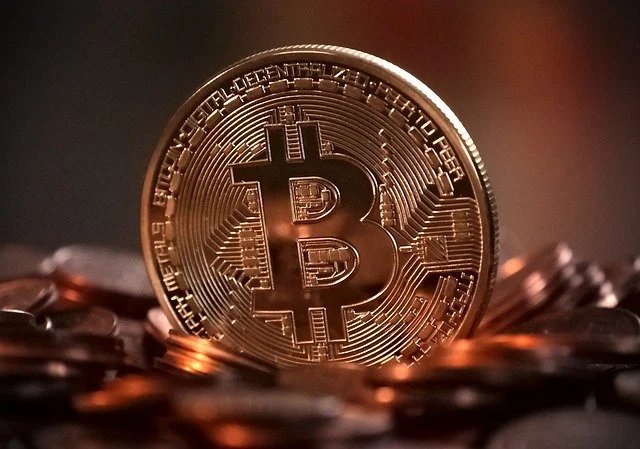
Oil futures have rallied, with WTI climbing to $87.50, and Brent at $92.10. Gold is also bid, up 1.2% to $2,150 an ounce, as investors hedge against geopolitical risk. Meanwhile, Bitcoin has shown resilience, trading at $61,200, up 3% on the week, as some traders view it as a decentralized alternative to fiat systems in times of sanctions-driven volatility.
Equity markets are more cautious. The S&P 500 futures fell 0.5% on the news, led by energy and shipping stocks. Tanker operators like Frontline and Euronav have seen their shares rise on the prospect of higher freight rates, while airline stocks have dropped on fuel cost concerns.
What to Watch: Ceasefire Renewal or Escalation
Investors should watch for the official wording of the U.S. financial offensive, expected within days, and any immediate Iranian retaliation. The key number is whether Iran’s oil exports, currently around 1.8 million bpd, fall below 1 million bpd, which would likely push Brent above $95. A renewed ceasefire, perhaps brokered by Qatar or Oman, would quickly unwind risk premiums, but with the formal truce dead, the path to de-escalation is unclear.








Comments are closed.