
What Happened
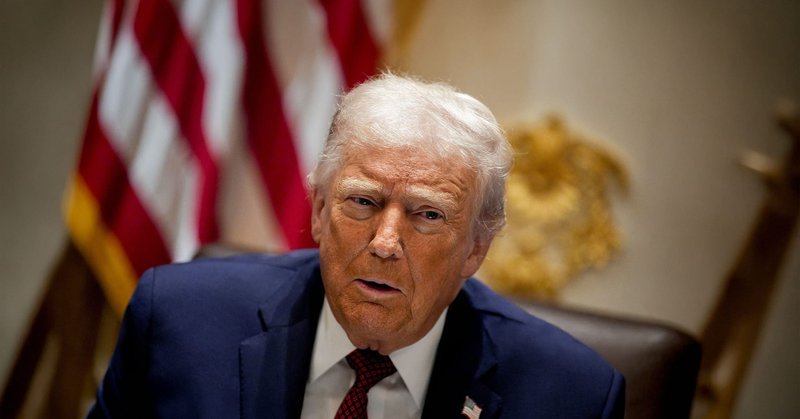
Former President Donald Trump recently made headlines with a provocative statement at the Faith & Freedom Coalition event. He claimed that communism is an attractive political ideology because it allows leaders to promise free rent, free housing, and free food to voters. Trump further asserted that he could be ‘the greatest communist in history,’ a remark that has sparked discussions about the implications of such rhetoric in today’s political climate.
This statement appears to be a critique of recent socialist electoral victories in New York City, where progressive policies have gained traction. The former president’s comments reflect a broader concern among conservatives about the rising popularity of left-leaning policies in urban areas.
Market Context and Analysis
Trump’s remarks come at a time when economic conditions are under scrutiny. The U.S. economy is grappling with inflationary pressures, which have affected housing markets and food prices. As of June 2026, the Consumer Price Index (CPI) has shown a year-over-year increase of 5.4%, with housing costs contributing significantly to this rise.
In New York City, where rent control policies have been a contentious issue, the average rent for a one-bedroom apartment has soared to over $3,000 per month. This economic backdrop makes Trump’s comments resonate with many frustrated voters who feel the burden of rising living costs. His assertion that politicians can easily sell communism by promising free services taps into a growing sentiment that government intervention is needed to alleviate economic pressures.
Moreover, Trump’s framing of socialism as a threat to the American way of life is not new but reflects a strategic move to galvanize his base. By positioning himself as a potential ‘communist’ leader, he aims to highlight the perceived dangers of leftist policies while simultaneously engaging in a bit of political theater.
Why It Matters
Trump’s statements are significant for several reasons. Firstly, they highlight the ongoing polarization in American politics, particularly around economic issues. As voters face rising costs, the appeal of populist promises can become stronger, regardless of their ideological alignment.
Secondly, this rhetoric can influence market perceptions. Investors often react to political statements, especially those that might signal shifts in economic policy. If voters increasingly lean towards socialist policies, it could impact sectors like real estate and food production, which are sensitive to regulatory changes.
Finally, Trump’s comments may set the stage for the upcoming election cycle. As the political landscape evolves, candidates will need to navigate the complex interplay between economic realities and voter sentiments. Trump’s ability to capture attention with bold claims could shape campaign strategies for both Republicans and Democrats moving forward.
Conclusion
In summary, Trump’s assertion that he could be the ‘greatest communist in history’ serves as a provocative reflection of current political and economic sentiments in the U.S. As inflation continues to challenge American households, the allure of radical economic promises may grow. Observers will need to monitor how these dynamics play out in the political arena and their potential impact on market trends.
Looking ahead, the interplay between economic pressures and political rhetoric will be crucial. As the 2026 elections approach, candidates will likely leverage these themes to resonate with voters, making it essential for investors and analysts to stay informed on the evolving landscape.








Comments are closed.