
What Happened
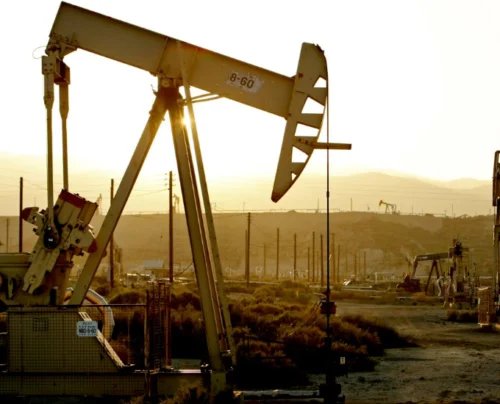
In a significant market shift, oil prices have rallied above $90 per barrel following heightened tensions in the Middle East. The spike comes as Iran has reportedly targeted oil tankers in the region, raising alarms about potential supply disruptions. The U.S. has responded with a fresh wave of military actions aimed at safeguarding its interests and those of its allies in the oil-rich area.
Why It Matters
The recent attacks have escalated fears of instability in one of the world’s most vital oil corridors. According to market analysts, the uncertainty surrounding Iranian actions could lead to further price increases. Prior to this spike, oil was already under pressure due to a variety of factors, including global economic slowdown concerns and fluctuating demand.
As of the latest reports, West Texas Intermediate (WTI) crude is trading at approximately $91.50 per barrel, which marks a significant increase from the previous week. The rise reflects not only the geopolitical tensions but also ongoing concerns about supply chains that remain fragile post-pandemic.
Market Reaction
Investors have reacted swiftly to the news, with many turning to commodities as a safer bet in an increasingly volatile market. The S&P 500 index has shown a mixed performance, indicating that while energy stocks may benefit from rising oil prices, broader market sentiment remains cautious.
The U.S. energy sector has seen an uptick, particularly companies engaged in exploration and production. Analysts expect this trend to continue if geopolitical tensions persist. Additionally, the market is closely monitoring the impact on inflation, as rising oil prices could exacerbate existing economic pressures.
Global Implications
Beyond the U.S., countries heavily reliant on oil imports are likely to feel the pinch of rising prices. European nations, in particular, could face higher energy costs, which may lead to increased inflation and potentially slower economic growth. This situation complicates central banks’ efforts to manage monetary policy effectively.
Furthermore, the situation in the Middle East could lead to a realignment of energy strategies among global powers, forcing countries to reconsider their dependencies and energy security measures. The long-term implications could reshape energy markets and geopolitical alliances.
Looking Ahead
As the situation continues to unfold, market analysts recommend closely monitoring developments in the Middle East and their impact on oil supply. The potential for escalated military conflict raises the stakes for oil prices, and investors should prepare for volatility in the coming weeks.
In summary, the rise of oil prices above $90 per barrel is a direct response to heightened tensions in the Middle East, particularly involving Iranian threats to oil tankers. With the U.S. taking military actions and a variety of economic factors at play, the future of oil prices remains uncertain yet critical for global markets.








Comments are closed.