

Goldman’s $120 Warning: Red Sea Risk Reappears
Goldman Sachs has issued a stark warning that escalating ship attacks in the Middle East could push crude oil prices to $120 per barrel. The investment bank’s analysts, in a note dated September 4, 2026, flagged that renewed threats to shipping lanes in the Red Sea and the Strait of Hormuz could disrupt supply chains and tighten the market significantly. With Brent crude already trading near $90, a jump to $120 would represent a 33% surge, a level not seen since the 2022 energy crisis.
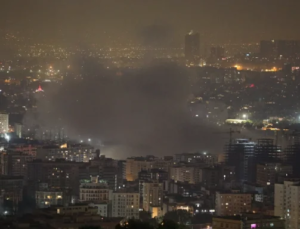
The warning comes as geopolitical tensions in the region have flared up again, with recent attacks on commercial vessels prompting some tanker operators to reroute or pause transit. While the attacks have not yet caused a major supply outage, the risk premium embedded in oil prices has started to rise, with futures climbing 2% on Monday, September 7, 2026. Investors are now weighing whether this is a temporary blip or the start of a sustained rally.
Why the Strait of Hormuz Is the Real Flashpoint
The core of Goldman’s concern centers on the Strait of Hormuz, a narrow waterway that handles roughly 20% of global oil consumption. Any significant disruption there would have an outsized impact on crude prices, as tankers carrying over 20 million barrels per day transit the strait. The note suggests that even a limited attack on a major vessel could trigger a ‘risk premium’ of $10–$15 per barrel, potentially accelerating the path to $120.
Analysts point to the 2019 attacks on Saudi oil facilities as a precedent, where prices spiked 15% in a single day. However, the current market is tighter, with OPEC+ spare capacity lower than in previous years. This means the buffer to absorb supply shocks is thinner, making the market more sensitive to headlines. ‘The risk is asymmetric,’ the note stated, ‘with upside potential far exceeding downside risk in the near term.’
What $120 Oil Would Mean for Traders and Consumers
A move to $120 would have ripple effects across asset classes. For traders, the immediate play would be long oil ETFs like USO and BNO, which track WTI and Brent futures, respectively. Historically, such geopolitical spikes have led to sharp rallies in these instruments, but they also invite volatility, with rapid drawdowns once tensions de-escalate. Options markets are already pricing in higher implied volatility, with the VIX-style measure for oil, OVX, up 8% on Monday.
Consumers, meanwhile, would face higher gasoline and heating costs, which could dampen economic growth. The last time oil hit $120, in June 2022, U.S. average gasoline prices exceeded $5 per gallon, fueling inflation and prompting central bank hawkishness. If this scenario repeats, it could force the Federal Reserve to maintain higher interest rates for longer, a headwind for equity markets. Analysts note that a sustained $120 oil price could shave 0.5% off global GDP growth, according to IMF models.
How the Market Is Pricing the Risk Right Now
Despite the warning, current futures prices suggest the market is not fully pricing in a $120 scenario. Brent for November delivery settled at $89.80 on Friday, September 4, with the contango structure indicating ample near-term supply. The geopolitical risk premium is estimated at $5–$7 per barrel, far below the $20–$30 premium seen during previous crises. This gap suggests either the market is complacent or Goldman’s scenario is considered a tail risk.
Open interest in call options at the $100 strike for December Brent has surged 25% in the past week, indicating some traders are hedging against a spike. However, volume in puts at $80 remains higher, suggesting that the majority still expect a range-bound market. This divergence highlights the uncertainty, and analysts advise monitoring weekly inventory data from the EIA, due Wednesday, September 9, to gauge supply tightness.
What to Watch: The Next Attack or Diplomatic Breakthrough
The near-term direction hinges on events in the Middle East. If attacks escalate, oil could quickly test $100, with $120 following if the Strait of Hormuz is directly affected. Conversely, a diplomatic de-escalation, such as a ceasefire or international naval escort program, could trigger a sharp sell-off. Key levels to watch include Brent’s 50-day moving average at $86 and resistance at $92; a break above the latter would signal momentum.
Traders should also keep an eye on the upcoming OPEC+ meeting scheduled for October 1, where production quotas will be reviewed. A decision to increase output could offset geopolitical risks, while a hold would leave the market vulnerable. The single most important number to watch is the weekly EIA crude inventory change; a drawdown of more than 5 million barrels would confirm tightening conditions and support higher prices.





Comments are closed.