
What Happened
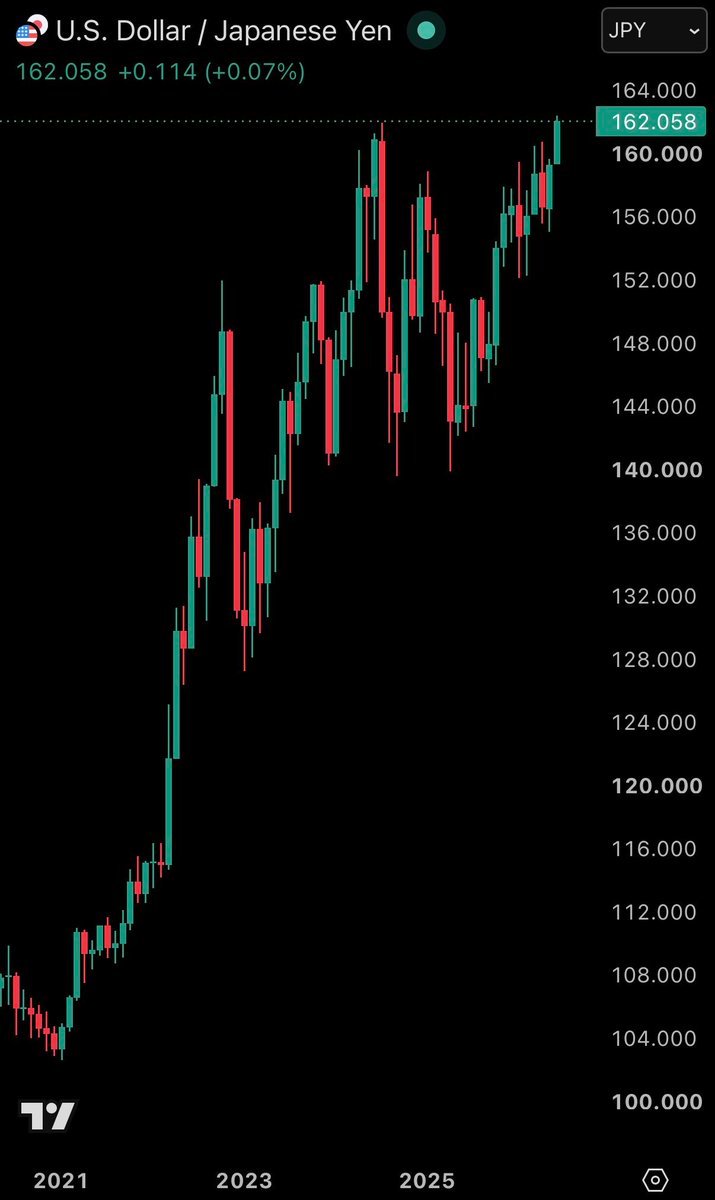
In a significant development for global markets, the Japanese Yen has collapsed to its weakest level against the US Dollar since 1986. This unprecedented decline has sparked concerns among economists and market analysts about the implications for Japan’s economy and its export competitiveness.
The Yen’s depreciation comes amid a backdrop of rising interest rates in the United States, which have bolstered the Dollar’s strength. As the Federal Reserve continues its tightening policy, the interest rate differential between the US and Japan widens, putting additional pressure on the Yen.
Market Context and Reactions
The Yen’s recent performance has been alarming for many investors. As of June 30, 2026, the exchange rate has reached levels not seen in nearly four decades, with the Yen trading at approximately 150 to 1 against the Dollar. This sharp decline raises questions about the Bank of Japan’s monetary policy and its ability to stabilize the currency.
Market analysts suggest that the Yen’s weakness could lead to increased inflationary pressures within Japan. A weaker Yen makes imports more expensive, which could contribute to rising costs for consumers and businesses alike. Furthermore, the depreciation might also impact Japan’s trade balance, as the cost of imported goods rises.
In response to the Yen’s decline, the Bank of Japan may need to consider intervention strategies to stabilize the currency. Historical precedents show that the central bank has previously intervened in the foreign exchange market to support the Yen, but the effectiveness of such measures in the current economic climate remains uncertain.
Why It Matters
The implications of a weak Yen extend beyond Japan’s borders. As the world’s third-largest economy, fluctuations in the Yen can influence global trade dynamics. A weaker Yen could make Japanese exports cheaper and more competitive internationally, potentially boosting Japan’s export-driven economy.
However, this situation also poses risks. If the Yen continues to weaken, it may lead to retaliatory measures from trading partners concerned about currency manipulation. Additionally, sustained inflation in Japan could force the Bank of Japan to alter its long-standing ultra-loose monetary policy, which has been a cornerstone of its economic strategy for years.
Looking Ahead
As the situation develops, market participants will be closely monitoring the Bank of Japan’s response and any potential policy shifts. The continued divergence in monetary policy between the US and Japan will likely remain a key factor influencing the Yen’s trajectory in the coming months.
In summary, the Japanese Yen’s collapse to its weakest level against the US Dollar since 1986 signals significant challenges ahead for Japan’s economy. Investors and policymakers alike will need to navigate the complexities of a changing global economic landscape, where currency fluctuations can have far-reaching effects.











Comments are closed.