
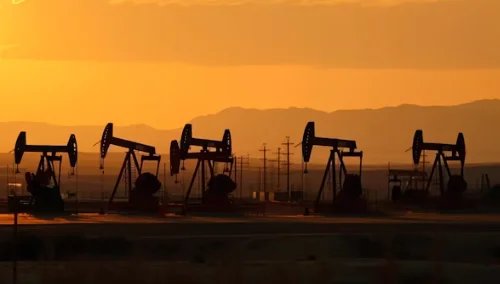
Hormuz Tanker Attack Ignites Oil Supply Fears After Saudi Pipeline Shutdown
On September 11, 2026, an explosive-laden drone struck the Liberian-flagged crude tanker Sea Valor while it transited the Strait of Hormuz, according to the UK Maritime Trade Operations (UKMTO). The vessel sustained minor damage and no casualties were reported, but the attack marks the third such incident in the strategic waterway this year, escalating tensions in a region that handles roughly 20% of global oil consumption.
The strike comes just days after Saudi Arabia’s state-owned Aramco shut down its 5-million-barrel-per-day East-West pipeline on September 8, 2026, citing a “technical fault” at a pumping station. That pipeline was a critical bypass route allowing Saudi crude to reach the Red Sea, avoiding the Strait of Hormuz. With the pipeline offline, the kingdom’s ability to circumvent the chokepoint is severely compromised, leaving global markets dangerously exposed to any disruption in the Persian Gulf.
Brent Crude Spikes Above $95 As Risk Premium Returns
Brent crude for November delivery surged 4.2% on September 12, 2026, closing at $95.30 per barrel, the highest since January. West Texas Intermediate (WTI) rose 4.5% to $91.80. The move extends a rally that began after the pipeline closure, with Brent up nearly 9% over the past week. The United States Oil Fund (USO) gained 4.3% on September 12, while the United States Brent Oil Fund (BNO) added 4.1%.
“The market is pricing in a geopolitical risk premium that wasn’t there a month ago,” said Helima Croft, head of commodity strategy at RBC Capital Markets, in a note dated September 12, 2026. “The combination of a key pipeline outage and a direct attack on a tanker in Hormuz is a double shock to supply security.”
Why The East-West Pipeline Outage Matters So Much
The 746-mile East-West pipeline, also known as the Petroline, can carry 5 million barrels per day from the Eastern Province to Yanbu on the Red Sea. It was built precisely to bypass the Strait of Hormuz, which Iran has repeatedly threatened to close in past standoffs. With the pipeline down, Saudi Arabia’s only alternative export route is the 1.5-million-bpd Iraq-Turkey pipeline, which has its own reliability issues.
According to the U.S. Energy Information Administration (EIA), about 21 million barrels per day of petroleum liquids flowed through the Strait of Hormuz in 2025. Any sustained disruption would send shockwaves through global energy markets. “If the pipeline stays offline for more than two weeks, we could see Brent test $100,” said Giovanni Staunovo, commodity analyst at UBS, in a September 12, 2026 client note.
Who Gains And Who Hurts From The Supply Scare
Oil majors with exposure to non-Gulf production are poised to benefit. Exxon Mobil (XOM) and Chevron (CVX) both rose more than 3% on September 12, 2026. U.S. shale producers, which have been disciplined on capex, could see improved cash flows if prices remain elevated. The Energy Select Sector SPDR Fund (XLE) climbed 3.2%.
On the losing side, airlines and transport stocks are feeling the pinch. Delta Air Lines (DAL) fell 2.1% on September 12, 2026, as jet fuel costs climbed. FedEx (FDX) dropped 1.8%. Emerging market economies that rely on imported crude, such as India and Turkey, face widening current account deficits.
“The risk premium is likely to stay embedded until we see de-escalation in the Gulf,” said Croft. “Traders are watching for any sign of Iranian involvement or retaliation.”
What To Watch: Pipeline Restart And Hormuz Security
The immediate focus is on when Aramco can restore the East-West pipeline. The company has not provided a timeline, but analysts speculate that if the technical fault is minor, it could be back online within days. A prolonged outage would force Saudi Arabia to rely more heavily on Hormuz, increasing vulnerability.
Additionally, the U.S. Fifth Fleet has increased patrols in the Strait of Hormuz, and the United Nations Security Council is scheduled to meet on September 15, 2026, to discuss maritime security. Any further attacks could trigger a military response, sending oil prices sharply higher.
Investors should watch the October 6, 2026 OPEC+ meeting, where members may consider increasing production to offset supply risks. However, with spare capacity limited, the group’s ability to calm markets is uncertain. A break above $100 in Brent would likely confirm that the risk premium is here to stay.






Comments are closed.