

$GC=F $SI=F $PL=F
- Gold fell 3.57% to $4,167 an ounce, its lowest level in seven weeks.
- Rising crude oil prices are feeding inflation concerns and hardening expectations for tighter monetary policy.
- A firmer U.S. dollar and climbing Treasury yields compounded the pressure on bullion.
- Silver, platinum and palladium all declined alongside gold, signaling broad weakness across precious metals.
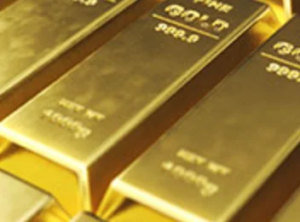
Gold prices tumbled on Monday, with the metal sliding 3.57% to $4,167 an ounce — its weakest level since early August — as a sharp rally in crude oil revived inflation worries, lifted bond yields and drove investors toward the dollar. The scale of the single-session drop marked one of the year’s more abrupt reversals for an asset that had spent much of 2026 near record territory.
Oil’s Rally Ripples Through Every Asset Class
The proximate trigger was energy. Rising crude prices feed directly into headline inflation through fuel, transportation and input costs, and traders read the move as a reason to expect central banks to keep policy restrictive for longer. That logic works against gold in two ways: it raises the opportunity cost of holding a non-yielding asset, and it strengthens the case for higher real interest rates, historically one of bullion’s least favorable environments. The dollar amplified the move. A stronger greenback makes dollar-denominated gold more expensive for buyers holding other currencies, dampening physical and investment demand from overseas. Treasury yields climbed in tandem, offering investors a competitive return in government paper without the volatility of a commodity. When cash and short-dated bonds pay meaningfully, the case for parking capital in gold weakens.
Precious Metals Complex Sells Off Together
The weakness was not confined to gold. Silver, platinum and palladium all posted notable declines, a pattern that typically signals a macro-driven repricing rather than a gold-specific event. Silver carries both monetary and industrial demand, so its slide alongside platinum and palladium suggests investors were broadly reducing exposure to hard assets rather than rotating between them.
What to Watch Next
Attention now turns to incoming inflation data and commentary from central bank officials, both of which will shape the rate path that gold trades against. Any softening in price pressures or a dovish shift in tone could quickly restore bullion’s appeal, particularly with the metal still holding a large year-to-date gain despite this week’s retreat. Conversely, another hot inflation print or a further leg higher in oil would reinforce the tightening narrative and keep pressure on the complex. For investors, the session is a reminder that gold’s role as an inflation hedge is conditional. It tends to perform best when inflation is rising while real rates stay low or fall — the opposite of the current mix, where inflation concerns are pushing yields up rather than down. That distinction explains why a story ostensibly about inflation can produce a sharp selloff in the asset many investors buy to protect against it. Whether this proves a durable trend reversal or a violent but temporary shakeout depends largely on the energy market. If oil continues to climb, the inflation-and-rates trade retains its momentum and gold faces further headwinds. If crude stabilizes, the pressure on bullion should ease, and the metal’s longer-term support from central bank buying and geopolitical uncertainty may reassert itself.







Comments are closed.