
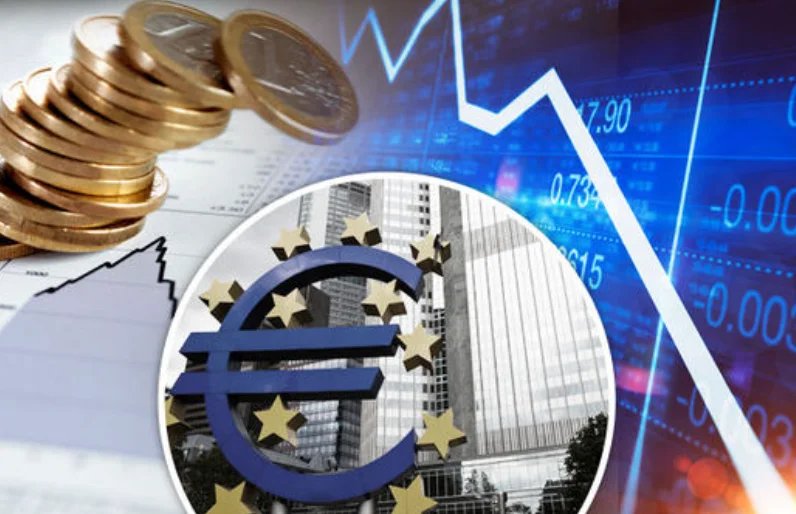
Bond Yields Surge to 15-Year High
German bond yields have reached their highest level since 2011, as the market reacts to surging energy prices and rising inflation expectations. The yield on the benchmark 10-year government bond surged past 2.5%, indicating heightened concerns among investors about future interest rate hikes.
This spike in yields comes just ahead of the European Central Bank’s (ECB) monetary policy meeting, scheduled for later today. Analysts predict that the ECB may be compelled to adjust its interest rate strategy in response to ongoing economic pressures, particularly from energy costs.
Energy Prices and Inflation Drive Market Sentiment
The significant rise in energy prices, particularly oil, has been a driving force behind the swelling inflation expectations. Brent crude oil recently climbed above $90 per barrel, marking a notable increase from earlier this year. As energy prices continue to rise, the ripple effects are being felt across various sectors of the economy, leading to increased costs for consumers and businesses alike.
Market sentiment has shifted as investors brace for the ECB’s response to these pressures. The implications of sustained high energy prices could include stricter monetary policies and increased rates, which would affect borrowing costs and economic growth in the Eurozone.
Potential ECB Actions and Market Reactions
The ECB’s upcoming decision is crucial for financial markets, as any indication of tightening monetary policy could further influence bond yields. If the central bank signals an aggressive stance on interest rate hikes, we could see bond yields increase even further, potentially impacting equity markets as investors reconsider their strategies.
In the current economic climate, the central bank faces a delicate balancing act. While raising rates could help curb inflation, it also poses risks to growth, especially in a region still recovering from the pandemic’s economic fallout. The ECB’s decision on interest rates will be closely monitored, as many market participants have already priced in expectations of a rate hike.
What to Watch in Upcoming Economic Data
Investors will be keenly watching the economic data released in the coming weeks, particularly inflation figures and employment reports. These data points will be vital in assessing the trajectory of the Eurozone’s economy and the ECB’s potential policy responses.
The next Consumer Price Index (CPI) release, scheduled for next month, is expected to provide further clarity on the inflation landscape. A higher-than-expected CPI could reinforce the argument for a more aggressive rate hike strategy by the ECB.
In summary, as German bond yields soar in reaction to energy price surges and inflationary pressures, all eyes will be on the ECB’s decision today and subsequent economic indicators that could shape monetary policy moving forward.











Comments are closed.