
Overview of Europe’s Defense Market
As tensions rise across various geopolitical landscapes, Europe finds itself in a unique position to enhance its defense capabilities. The recent surge in defense spending has raised expectations among investors and stakeholders alike. However, the pressing question remains: can European nations effectively translate increased budgets into tangible military assets, particularly weapons and advanced military technologies?
In 2022, European defense expenditures increased by over 12%, with several countries pledging to meet or exceed NATO’s target of 2% of GDP on defense spending. This shift in financial commitment is largely driven by ongoing conflicts and the need for modernized forces to counter emerging threats. Investors are closely watching to see if these commitments can lead to fruitful returns in the defense sector.
Assessing the Challenges Ahead
While the financial backing is significant, the defense sector in Europe faces striking challenges. The process of converting budgets into effective military hardware is fraught with potential pitfalls. For instance, complex procurement processes, bureaucratic red tape, and supply chain disruptions can significantly hinder production timelines. Recent reports indicate that several defense contracts are already behind schedule, raising concerns about whether the anticipated outputs can match the increased investments.
Additionally, there is an ongoing debate about the prioritization of defense spending versus other critical areas, such as healthcare and infrastructure. As countries allocate more to defense, they must also balance these expenditures against societal needs to avoid public pushback.
Market Reactions and Financial Implications
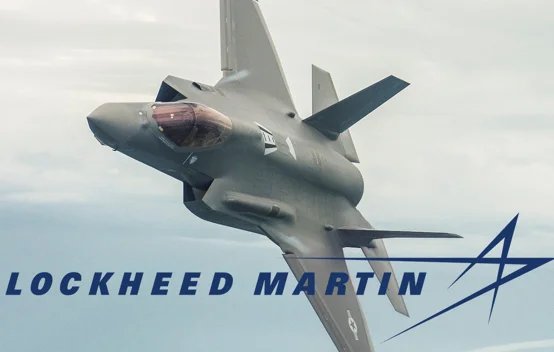
Investors have been cautiously optimistic about the potential for European defense stocks to perform well as countries ramp up their military capabilities. Major industry players like Boeing ($BA) and Lockheed Martin ($LMT) have already been identified as beneficiaries of this boom, given their strong ties to European defense contracts.
However, stock prices are still influenced by broader market conditions and geopolitical events. For instance, the recent fluctuations in the global stock market, spurred by inflation fears and central bank policies, have also impacted defense stocks, leading to mixed performance. In the past month, $BA saw a modest increase of 3%, while $LMT experienced a slight decline of 1%.
Looking Ahead: Opportunities and Risks
The outlook for Europe’s defense sector remains a mixed bag. On one hand, the increased military spending could lead to significant growth opportunities for companies involved in defense manufacturing and technology. Analysts predict a compound annual growth rate (CAGR) of around 5% for the European defense market over the next five years.
On the other hand, the inherent risks in meeting production demands and political pressures remain a concern. If European nations fail to deliver on their commitments, it could undermine investor confidence and stall the momentum that has been built in recent years.
Summary and Future Considerations
In summary, while Europe’s defense boom presents substantial potential, it is accompanied by considerable challenges that could impact its viability. As nations strive to convert financial resources into military capabilities, the effectiveness of these efforts will be critical in determining the industry’s future. Investors will need to remain vigilant and assess the balance between spending and successful delivery of military assets. The coming months will be pivotal in shaping the trajectory of Europe’s defense landscape.










Comments are closed.