
Recent Military Escalations
In a troubling escalation of military conflict, Russia and Ukraine have engaged in their most intense exchanges of fire in months. The recent strikes have raised alarm among global observers, igniting fears of a broader confrontation that could destabilize the region further. With Russia targeting key infrastructure in Kyiv, the situation remains precarious as both nations ramp up military operations.
Oil Supply Concerns Rise
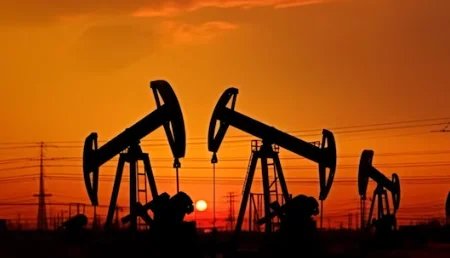
As the conflict intensifies, market analysts are closely monitoring the implications for global oil supplies. The escalation has already led to a spike in crude oil prices, with West Texas Intermediate (WTI) trading around $90 per barrel, while Brent crude is hovering near $93. This volatility is concerning for economies dependent on stable oil prices, especially given that European nations are still grappling with energy supply challenges stemming from previous conflicts.
The ongoing military actions have led to speculation that further disruptions could emerge, particularly if NATO members are drawn into the conflict. NATO military chief has indicated that Russia stands to “lose a lot” should it decide to extend its aggression towards Baltic nations. This warning comes amid rising tensions in Eastern Europe, where security concerns have escalated over recent months.
Market Reactions and Future Implications
Investors are responding to these developments by adjusting their portfolios, with many turning to commodities as safe-haven assets. The energy sector has witnessed increased trading volumes, reflecting heightened concerns over supply chain interruptions. Analysts suggest that if the conflict escalates further, oil prices could breach historical highs, reminiscent of the energy crises seen in previous decades.
Moreover, there is the potential for sanctions against Russia to intensify, which could further complicate the global oil landscape. Current sanctions have already impacted Russian oil exports, leading to a shift in trade dynamics that could have long-lasting effects on global energy markets.
Geopolitical Context and Economic Impact
The geopolitical landscape remains uncertain as both sides seem unwilling to de-escalate. The conflict not only poses risks to energy supplies but also raises questions about economic stability in Europe and beyond. Countries heavily reliant on Russian oil and gas are increasingly seeking alternative sources to mitigate potential shortages.
Furthermore, as tensions simmer, the ripple effects could impact markets beyond just oil. Stock markets may feel the strain as investors weigh the risks of geopolitical instability against potential economic growth. This has led to a cautious outlook among market participants, with many opting to hedge against rising volatility.
Conclusion
The recent escalation between Russia and Ukraine highlights the fragility of current geopolitical conditions and its implications for global oil supplies. As military actions continue, the market is left to speculate on the potential repercussions for energy prices and broader economic stability. Traders and investors must remain vigilant as developments unfold, particularly if NATO’s warnings lead to a more significant military response.
In summary, the stakes are high as the conflict not only threatens regional stability but also poses risks to global markets. The coming weeks will be critical in determining the trajectory of both the military conflict and the oil prices that have already begun to react to the unfolding situation.










Comments are closed.