
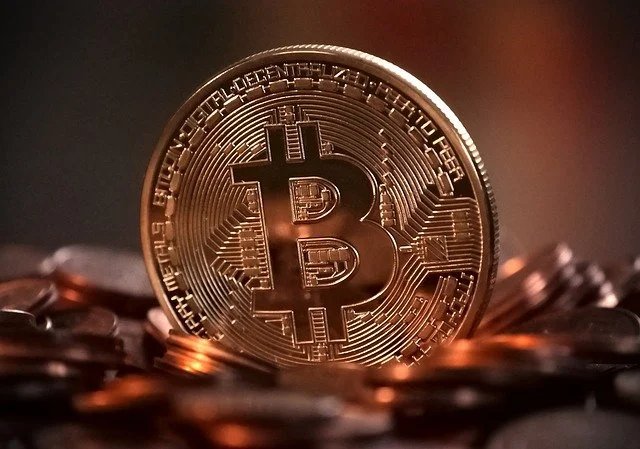
- Bitcoin traded near $83,911, down about 0.55% on the day, as risk sentiment weakened.
- Reports indicate President Trump rejected an Iran peace deal, undercutting earlier expectations of de-escalation.
- The president had previously said the war would end after the midterm elections, a timeline the latest reporting contradicts.
- Geopolitical risk premium is re-entering crypto pricing after a period of relative calm.
Why the Peace Deal Headline Matters for Crypto
The president had previously promised that the war would end after the midterm elections, framing the conflict as a finite episode with a political timetable attached. The latest reports indicate otherwise. For markets, that distinction is not semantic. A war expected to wind down is a war whose energy-price and supply-chain consequences can be discounted in advance. A war with no visible off-ramp is one that keeps a persistent risk premium embedded in every asset class, from crude oil to equities to bitcoin. Crypto investors have spent much of the past several years treating bitcoin as both a high-beta risk asset and, at times, a hedge against geopolitical disorder. Those two roles pull in opposite directions, and days like this expose the tension.
The immediate transmission channel is straightforward. Escalation risk tends to lift oil and safe-haven demand, tighten financial conditions at the margin, and push traders toward the dollar. That combination is historically unkind to speculative assets. Bitcoin’s reaction has been orderly rather than panicked, which suggests the market is repricing probability rather than responding to a shock. Still, the direction is clear, and the failure of a peace deal to materialize removes the most obvious catalyst that could have driven a relief rally.
What to Watch From Here
Attention now turns to whether the reported rejection is final or a negotiating position. Diplomatic reporting in this conflict has been volatile, and headlines have repeatedly moved markets in both directions. Traders should treat any single report as provisional until corroborated by official statements or follow-through in oil and rates markets. The more durable signal will come from whether crude oil holds elevated levels and whether the dollar index continues to firm. If both do, bitcoin faces a tougher environment regardless of the specific diplomatic headlines.
Positioning and Levels
With bitcoin near $83,910.88, the market is testing whether buyers will defend the low-$80,000s or whether the geopolitical overhang invites a deeper retracement. Spot bitcoin exchange-traded products and leveraged corporate holders remain important swing factors, since flows into and out of those vehicles can amplify moves in either direction. A quiet session with no further escalation headlines would likely allow the market to stabilize; a fresh round of hostile developments would test conviction quickly. For now, the tape is telling a simple story: the war trade is back on, and bitcoin is trading like a risk asset again.
Investors should also weigh the domestic political calendar. The president’s earlier promise tied the war’s conclusion to the midterm elections, and any perception that the conflict could extend beyond that window introduces a longer horizon of uncertainty. Markets can price a known event; they struggle with an open-ended one. That is the core of the current pressure on bitcoin, and it explains why a sub-1% decline carries more informational weight than the number alone suggests.









Comments are closed.