
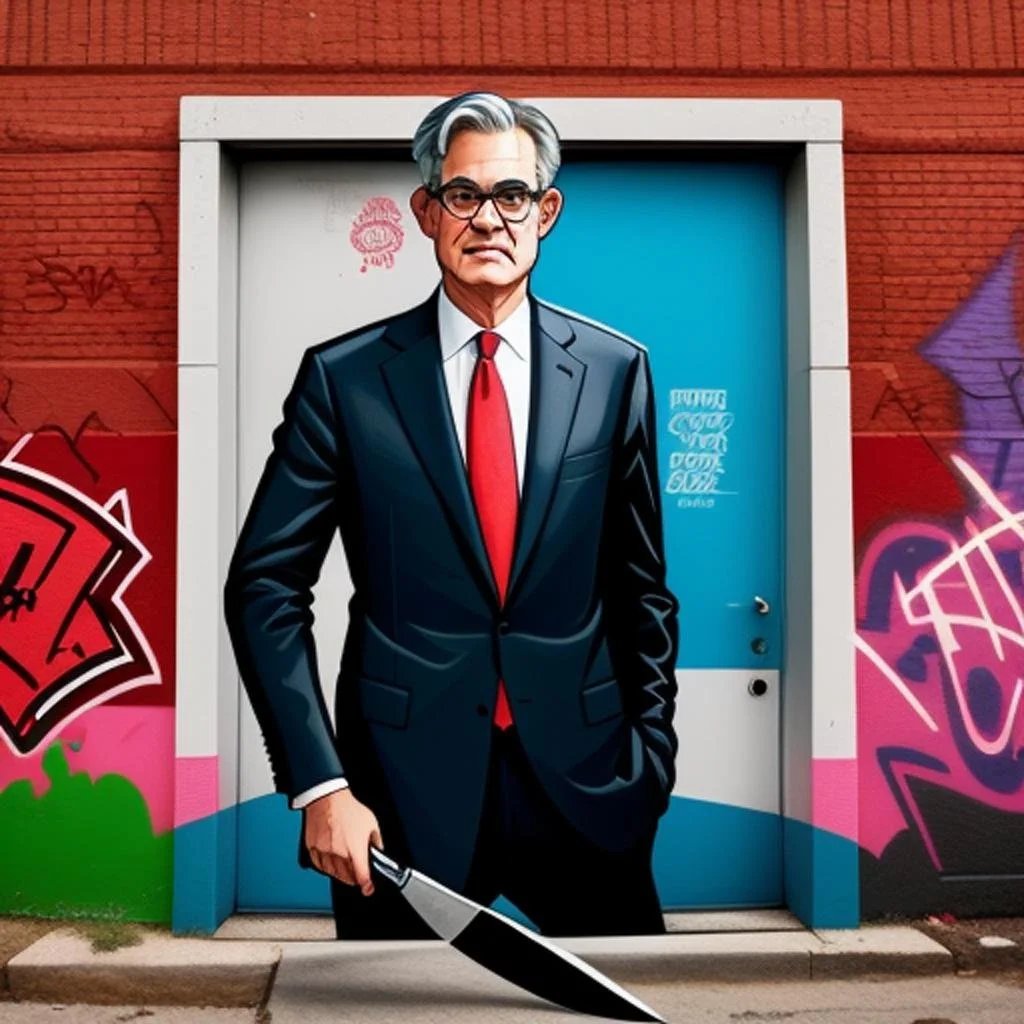
AI Boom and Fed Complacency Face a Consumer Test
Wall Street’s summer rally is facing a critical juncture as the AI-driven earnings boom collides with signs of consumer fatigue. The latest Bloomberg Surveillance program highlighted a sharp debate: while AI enthusiasm propels equities higher, a surprise drop in July retail sales has revived questions about whether the Federal Reserve is too complacent in its inflation fight.
Retail sales fell more than expected in July, a data point that Michael McKee of Bloomberg News flagged as a potential turning point. The decline suggests that the resilient consumer, long the backbone of the U.S. economy, may finally be cracking under cumulative price pressures, particularly in fast-food and energy costs.
Rate Hike Odds Rise as Evercore’s Emanuel Warns
Julian Emanuel of Evercore ISI told Bloomberg Surveillance that the odds of a Fed rate hike are rising, not falling, despite the softer retail figures. He argued that the AI boom’s productivity gains could keep inflation sticky, forcing the central bank to tighten further even as growth slows.
Emanuel’s view challenges the market’s consensus of a pause, and he warned that AI earnings power could extend the bull market but also entrench inflationary pressures. His comments came as the 10-year Treasury yield hovered near recent highs, reflecting growing concerns about deficit-funded spending and AI-related debt crowding out government bonds.
Fast-Food Prices Drive Diners Away, Squeezing Consumers
Nick Setyan, an analyst at Mizuho, pointed to fast-food prices as a key driver of consumer strain. With menu prices up significantly over the past year, diners are increasingly choosing to eat at home or seek cheaper alternatives, weighing on sales for major chains.
This behavioral shift is a leading indicator of broader consumer weakness, Setyan argued. If fast-food, a discretionary staple, is losing traffic, higher-ticket discretionary items are likely to suffer even more, a risk that could hit retailers like Target and Walmart in the coming quarters.
AI Debt Could Crowd Out Treasury Market, Warns Marlborough
James Athey of Marlborough Investment Management raised a structural concern: the massive debt issuance to fund AI infrastructure could crowd out U.S. Treasuries. He noted that the Treasury’s increasing reliance on T-bills, as flagged by Baird Strategas’ Jeannette Lowe, reflects a deficit that is growing faster than the economy can absorb.
Athey’s analysis suggests that if AI capex continues to surge, borrowing costs for the government could rise, potentially destabilizing the world’s risk-free benchmark. This dynamic, he argued, is underappreciated by markets that remain fixated on the Fed’s next move rather than the broader fiscal trajectory.
Deutsche Bank’s Chadha Sees AI Driving Wider Growth
Binky Chadha of Deutsche Bank offered a counterpoint, arguing that AI’s impact is broadening beyond megacap tech. He pointed to rising capital expenditure across sectors, from utilities to industrials, as evidence that the AI boom is driving genuine economic expansion rather than a narrow bubble.
Chadha’s view aligns with Katy Kaminski of AlphaSimplex, who noted that AI momentum continues to push equities higher, but she cautioned that high energy prices could break the consumer. Lindsey Piegza of Stifel echoed that warning, saying that energy costs are a hidden tax on households that could force a pullback in spending.
Retail Sales Blip Doesn’t Change Fed Hike Case, Says BofA
Aditya Bhave of Bank of America argued that the July retail sales dip is a blip, not a trend, and does not alter the case for a potential Fed hike. He noted that the labor market remains tight and wage growth is still elevated, which should support spending in the months ahead.
However, Peter Tchir of Academy Securities pushed back, saying that Fed rate hikes won’t fix today’s inflation, which is largely supply-driven. He pointed to energy and food prices as examples where monetary policy has little effect, and he urged the Fed to focus on communication rather than aggressive action.
What to Watch: Powell’s Jackson Hole Speech and August CPI
The next test for markets comes at the Federal Reserve’s annual Jackson Hole symposium in late August, where Chair Jerome Powell is expected to signal the near-term policy path. A hawkish tone could trigger a selloff in equities and a spike in yields, while a dovish stance might fuel the AI rally further.
Also key is the August CPI report, due in mid-September, which will show whether price pressures are truly cooling. If inflation surprises to the upside, rate hike odds will spike, and the consumer’s resilience will be tested again, potentially confirming the bearish views of Emanuel and Piegza.







Comments are closed.