

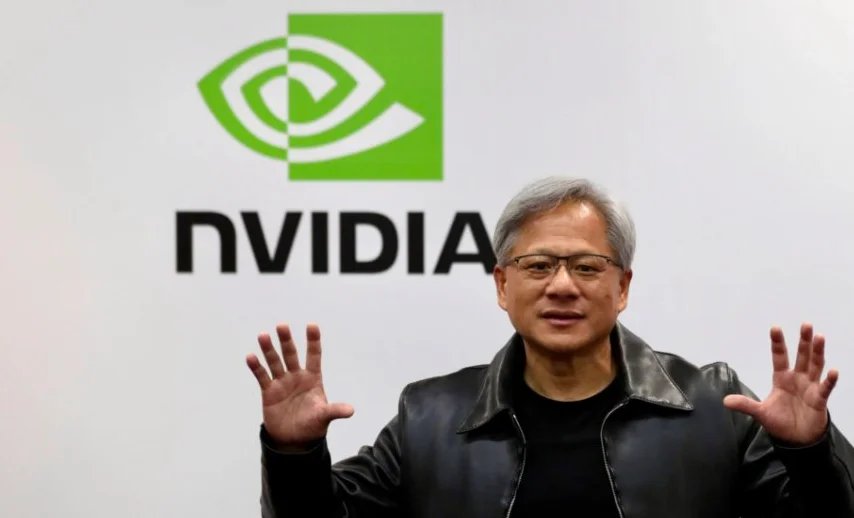
Nvidia’s stock has largely sidestepped the credit anxiety rippling through parts of the artificial-intelligence trade, even as peers like Broadcom and Oracle absorb a double hit: widening credit-default-swap spreads and contracting price-to-earnings multiples. The pattern is notable because all three companies sit at the center of the same AI infrastructure buildout, yet only two are being repriced as credit-sensitive stories rather than growth stories.
Two Gauges, Two Very Different Readings
Credit-default swaps function as insurance against a borrower failing to pay its debts. When CDS spreads widen, it means investors are demanding more compensation to take on that company’s credit risk. A widening spread is not a prediction of default, but it is a clear signal that the market’s confidence is thinning. Pair that with a contracting P/E ratio, and you get a market that is simultaneously marking down future earnings power and raising the cost of financing the present. Broadcom and Oracle have both seen that combination play out. Both have been aggressive participants in the AI capital-expenditure cycle, and both carry balance-sheet obligations that make them sensitive to shifts in credit sentiment. When investors start questioning how much debt-funded AI spending is sustainable, these are the names that feel it first.
Why Nvidia Looks Different
Nvidia occupies a structurally different position. It is the supplier of the compute that everyone else is buying, not a leveraged buyer of that compute. Its revenue comes from selling the picks and shovels, which means the cash flows arrive before the spending obligations do. That asymmetry matters enormously when credit markets get nervous. The company’s balance sheet is also a factor. Nvidia has historically carried low debt relative to its earnings power, which limits the surface area for credit concerns to attach themselves to. A company with modest leverage and enormous free cash flow generation simply has fewer reasons for CDS spreads to widen, regardless of how the broader AI narrative shifts.
The Market Is Starting to Discriminate
The more interesting takeaway is what this divergence says about market psychology. For much of the AI rally, investors treated the entire ecosystem as a single trade. Anything with AI exposure went up together. That phase appears to be giving way to something more selective, where the market distinguishes between companies that generate AI cash flows and companies that consume capital to chase them. That is not necessarily a bearish signal for Broadcom or Oracle. It may simply reflect a repricing of risk rather than a rejection of the AI thesis. But it does mean the easy money from blanket AI exposure is harder to find, and investors are being forced to think about financing structures, leverage, and cash-flow timing rather than just revenue growth. For Nvidia, the relative calm in its credit metrics is a vote of confidence in its business model. For everyone else, it is a reminder that being adjacent to the AI boom is not the same as being insulated by it.
Source: marketwatch.com