
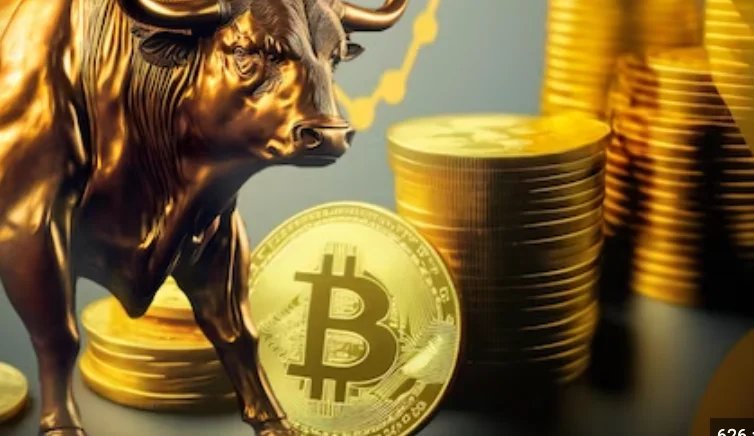
- Shiba Inu’s burn rate surged 657% in a single 24-hour window, with 15.16 million SHIB sent to dead wallets.
- The spike marks a sharp reversal from earlier in the week, when burn activity had flattened.
- Burns reduce circulating supply by sending tokens to wallets with no accessible private keys.
- SHIB remains one of the largest meme coins by market capitalization, with a supply still measured in the hundreds of trillions.
Shiba Inu’s token burn mechanism roared back to life, with on-chain trackers recording a 657% surge in the burn rate over a 24-hour period and roughly 15.16 million SHIB dispatched to dead wallets. The move marked a clear deviation from the pace seen earlier in the week, when the project’s burn activity had flattened out and daily totals had settled near routine levels. Burning is a supply-reduction tactic in which tokens are sent to addresses whose private keys are believed to be unrecoverable, permanently removing those coins from circulation. For Shiba Inu, a token whose initial supply ran into the quadrillions, burns have long served as the community’s primary lever for addressing the overhang of available tokens. The idea is straightforward: a smaller circulating base, if demand holds steady, theoretically supports a higher price per token.
Why a 657% Jump Matters Less Than It Looks
Percentage changes in burn rate are notoriously volatile because the underlying daily totals are often small. A jump from a modest baseline to 15.16 million tokens can register as a triple-digit percentage gain while remaining a rounding error against Shiba Inu’s total supply, which is still counted in the hundreds of trillions of tokens. That math is the central tension in the burn narrative: the mechanism is real and verifiable on-chain, but the scale required to meaningfully shift supply is enormous. Earlier in the week, burn activity had gone quiet, a pattern that has repeated many times since the burn trackers gained popularity. Spikes tend to cluster around community campaigns, exchange-led burn events, or periods of heightened social media attention. When that attention fades, daily burn totals frequently collapse back toward zero, which is why single-day percentage figures should be read with caution.
What Traders Watch Next
For market participants, the more informative signals are sustained burn totals over weeks and months rather than any one-day print, alongside the pace of new token creation on Shiba Inu’s associated Layer 2 network and the broader risk appetite for meme assets. Shiba Inu’s price has historically been driven more by retail sentiment, liquidity conditions, and the direction of large-cap cryptocurrencies than by burn mechanics alone. The 15.16 million SHIB figure is best understood as a sentiment marker rather than a supply shock. It shows that a segment of the holder base remains engaged and willing to permanently destroy tokens, a behavior that carries a real cost to the burner. Whether that engagement translates into durable burn volume, or fades as it did earlier in the week, is the question the next round of on-chain data will answer.
Risks and Caveats
Burn data is reported by third-party trackers that aggregate transactions to known dead addresses, and totals can be revised as wallets are identified or reclassified. Percentage changes are also sensitive to the comparison window chosen, meaning a 657% figure for one 24-hour stretch can coexist with a flat or negative weekly trend. Investors should treat any single burn headline as one data point among many rather than a standalone catalyst. Nothing in the burn mechanism guarantees price appreciation. Supply reduction without corresponding demand simply shrinks the denominator; it does not create buyers. As with all highly speculative tokens, position sizing and independent verification of on-chain claims remain essential.






Comments are closed.