
Copper Hits Record $11,104 as Trump Tariff Threat and Mine Shutdowns Squeeze Supply
Copper prices on the London Metal Exchange (LME) shattered their previous all-time high on Monday, September 7, 2026, surging past $11,104 per metric ton. The milestone caps a weeks-long rally driven by escalating expectations that President Donald Trump will extend US tariffs to refined metal imports, alongside persistent supply disruptions at major mines globally.
The three-month copper contract climbed as much as 2.3% in early London trading, marking the sixth consecutive session of gains. Traders are pricing in a potential US tariff of up to 25% on refined copper imports, a move that would reshape global trade flows and force US consumers to pay a steep premium for the red metal.
Tariff Bets and Stockpiles Feed the Rally
Market participants are positioning for an announcement from the White House that could come as soon as this month. According to a note from Goldman Sachs analysts on September 4, a tariff of 25% on copper imports would push US prices to a premium of roughly $1,500 per ton over the LME benchmark, a level not seen since the 2024 squeeze. That potential spread is already visible in the forward curve, where US COMEX copper futures trade at a $200 per ton premium to LME contracts.
Inventory data amplifies the bullish case. LME-registered copper stockpiles stood at 112,400 tons as of September 4, down 18% from a peak in late July. Meanwhile, COMEX inventories have fallen to just 28,900 tons, the lowest since March, as traders ship metal to regions where tariffs are not yet in force. The rapid drawdown suggests that market participants are hoarding copper in anticipation of supply constraints.
Mine Disruptions Add to the Squeeze
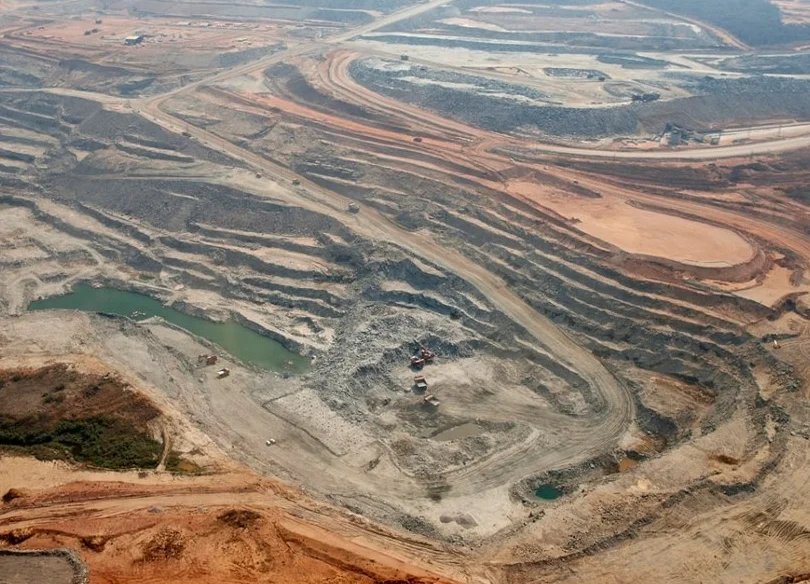
Beyond tariffs, supply-side problems continue to bite. In Chile, the world’s largest copper producer, state-owned Codelco reported on September 2 that its Chuquicamata mine had suffered a rockslide that cut output by 10% for the month. In Peru, Las Bambas—a key operation owned by MMG Ltd.—has been operating at 60% capacity since August 25 due to community blockades, according to a company filing. Together, these disruptions are expected to remove approximately 40,000 tons of copper from the global market in the third quarter, according to a September 6 estimate from Trafigura’s research desk.
Analysts at Bank of America raised their 2026 average copper price forecast to $10,850 per ton on September 3, citing the simultaneous impact of tariffs and supply shortfalls. They project a global market deficit of 540,000 tons for the year, up from an earlier estimate of 300,000 tons. This deficit, they argue, will keep prices elevated well into 2027.
Who Wins, Who Loses as Copper Soars
The price surge is a boon for major producers. Freeport-McMoRan (NYSE: FCX), which operates the Grasberg mine in Indonesia, saw its shares gain 4.2% on Monday, extending its year-to-date advance to 38%. Similarly, copper exchange-traded funds such as the Global X Copper Miners ETF (NYSE: COPX) have rallied 22% since June 1, outperforming the broader S&P 500.
However, the pain is concentrated in downstream industries. US wire and cable manufacturers, which rely on imported copper, face margin compression that could lead to price hikes for construction and electronics. The National Electrical Manufacturers Association warned on September 5 that a tariff could raise the cost of US-made electrical equipment by 12-18%, potentially stoking inflation in infrastructure projects. The construction sector, already grappling with high borrowing costs, may see further delays in projects that were budgeted at lower copper prices.
What Breaks If the Tariff Stalls
The rally’s sustainability hinges on whether President Trump follows through with the tariff. If the administration announces an exemption for allied nations—similar to the 2024 steel tariff carve-outs—copper prices could retrace sharply. Options markets are already pricing in a 15% probability of a pullback to $10,500 within a month, according to data from the CME on September 4.
Investors should watch for two key signals. First, the White House’s formal notice, expected within two weeks, which will specify the tariff rate and any country exclusions. Second, the Federal Reserve’s rate decision on September 16—a rate cut could weaken the US dollar, providing further support for copper, while a hold might trigger profit-taking. Any headline about Codelco’s Chuquicamata restart or a resolution in Peru would also cap upside.











Comments are closed.