
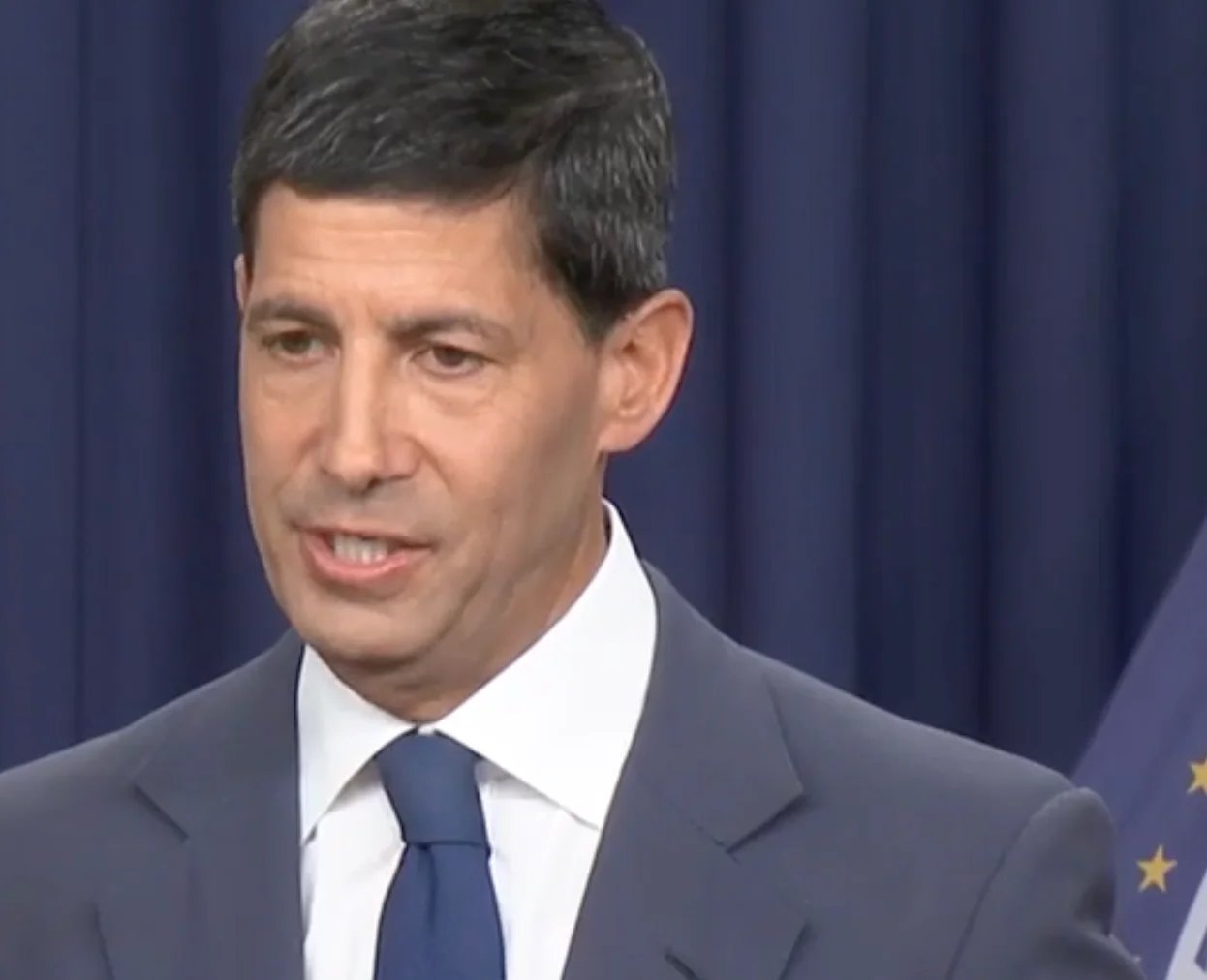
Bessent’s Plan to Tap the TGA
According to sources familiar with the matter, Treasury Secretary Scott Bessent has discussed using the nearly $1 trillion Treasury General Account (TGA) to fund bond buybacks, a move that could give the government significant leverage over long-term yields. The TGA, the government’s main checking account at the Federal Reserve, currently holds around $950 billion, and tapping it would mark a sharp departure from recent debt management practices.
The proposal, which surfaced in late August 2026, comes as the Treasury faces mounting pressure to control borrowing costs. By redeploying TGA funds into the market, Bessent could buy back outstanding long-dated securities, effectively reducing supply and pushing yields lower. Sources said the plan is in early discussion stages, with no formal announcement yet, but the sheer scale of the account—roughly 4% of U.S. GDP—makes it a potent tool.
Why a $950 Billion War Chest Moves Markets
The TGA’s size is the key variable. As of mid-August 2026, the account held approximately $940 billion, according to Treasury data. Deploying even half of that into buybacks would dwarf the Fed’s quantitative easing programs, which peaked at $120 billion per month in 2020. A $500 billion buyback program would be unprecedented in scale, potentially compressing 10-year Treasury yields by 50-75 basis points, based on historical supply-demand dynamics.
This mechanism works through scarcity: when the Treasury repurchases bonds, it removes them from the market, reducing the float available to investors. With fewer bonds to buy, prices rise and yields fall. The effect would be amplified if the Fed simultaneously holds its balance sheet steady, as it has since March 2026, when it ended quantitative tightening.
Who Gains and Who Loses from Yield Suppression
Bondholders, particularly long-duration funds like the iShares 20+ Year Treasury ETF ($TLT), would see immediate capital gains. TLT has fallen 12% from its January high as yields spiked, but a buyback program could reverse that trajectory. Conversely, the move would squeeze banks and pension funds that rely on steep yield curves for profitability—they’d face narrower net interest margins.
The Fed’s independence is another wrinkle. Using the TGA to influence long-term yields steps on the central bank’s monetary policy turf. Fed Chair Jerome Powell has repeatedly warned against fiscal dominance, and any coordinated action could trigger a constitutional clash. Market participants are watching for any sign of Fed pushback, which would undermine the plan’s credibility.
Historical Precedents and Technical Hurdles
Buybacks aren’t new—the Treasury conducted them in the early 2000s to manage the federal surplus, but the scale was trivial. The last significant repurchase program ran from 2000 to 2002, totaling just $67 billion. A $1 trillion program would be 15 times larger, requiring the Treasury to build new auction mechanics and repo infrastructure.
Operational risks loom. The TGA is also used to fund day-to-day government operations, and draining it could force the Treasury to issue more short-term bills, undoing the yield-suppression effect. Treasury officials would need to maintain a minimum cash buffer, likely around $500 billion, to avoid a cash crunch. That cuts the usable firepower to roughly $450 billion, still substantial but less than the headline number.
The Fed’s Reaction Function is the Swing Factor
The success of Bessent’s plan hinges on Fed tolerance. If the Fed views the TGA drawdown as a fiscal operation, it may look the other way. But if it sees it as monetary financing, expect a hawkish response—possibly faster balance sheet runoff or even rate hikes. The July FOMC minutes, released on August 19, showed officials split on inflation risks, with a minority favoring tighter policy.
Any announcement would likely come in the Treasury’s quarterly refunding statement, scheduled for November 2, 2026. A formal buyback framework could be unveiled then, with the first operations starting in early 2027. Until then, market participants will parse every TGA balance update for signs of early deployment.
Watch the weekly TGA statements and the November refunding—if the Treasury confirms a buyback program, expect TLT to rally sharply; if the Fed objects, the plan collapses. The key number is the TGA’s average balance over the next two months; a sustained drawdown below $700 billion would signal action.











Comments are closed.