
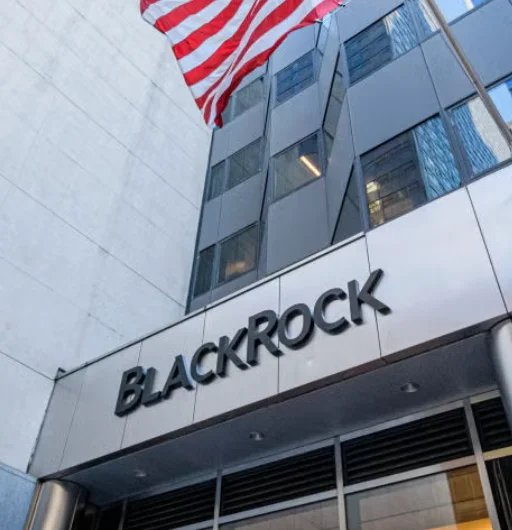
Nvidia and Six Wall Street Firms Seal $500bn AI Infrastructure Pact
Nvidia has teamed up with six major Wall Street institutions, including Apollo Global Management, BlackRock, Goldman Sachs, and KKR, to raise more than $500bn (£370bn) for artificial intelligence infrastructure. The financing will support the construction of datacentres, chip factories, and power stations critical to the AI boom. Nvidia CEO Jensen Huang announced the deal on X, calling it “a major milestone for Nvidia and the AI industry,” alongside a photo with Goldman Sachs CEO David Solomon and other finance leaders.
The scale of the commitment underscores the enormous capital appetite of the AI sector, which has driven Nvidia’s market value past $3 trillion. The deal marks one of the largest private financing arrangements in tech history, blending chipmaker needs with institutional investor demand for long-duration assets.
How the $500bn Will Be Deployed Across AI Supply Chains
The funds are earmarked for three critical layers: datacentres that host AI workloads, semiconductor fabrication plants that boost chip supply, and power generation to meet the energy-hungry demands of AI computing. Datacentre construction alone is projected to consume over 100 gigawatts globally by 2030, up from roughly 50 gigawatts today, according to industry estimates. Nvidia’s latest GPUs, such as the H100 and upcoming Blackwell series, require significant power and cooling, making infrastructure investment a bottleneck for growth.
The participation of Apollo, BlackRock, and KKR signals a shift toward institutional capital in tech infrastructure, traditionally dominated by hyperscalers like Microsoft and Amazon. These firms bring expertise in managing large-scale, long-term projects, which is essential for assets with 20-30 year lifespans. The financing structure likely involves a mix of debt and equity, with investors seeking stable cash flows backed by multi-year contracts from cloud providers.
What This Means for Nvidia’s Growth and the AI Finance Ecosystem
For Nvidia, the deal reduces reliance on its own balance sheet and accelerates time-to-market for its AI platforms. By partnering with financial heavyweights, Nvidia can offload some of the capital risk while locking in demand for its chips. The move also positions Nvidia as a catalyst for a new asset class: AI infrastructure funds, which could attract pension funds and sovereign wealth seeking yield in a low-rate environment.
Goldman Sachs’ role is particularly telling, as it highlights the investment bank’s push into private credit and infrastructure advisory. This deal could pave the way for similar collaborations, potentially worth trillions over the next decade, as AI adoption spreads beyond tech giants into finance, healthcare, and manufacturing. However, the scale also raises questions about overcapacity if AI demand softens, though current order books suggest robust growth through 2027.
Risks and the Role of Private Capital in AI’s Future
The main risk is execution: building datacentres and power plants at this scale faces regulatory hurdles, supply chain constraints, and environmental opposition. Power availability is a key bottleneck; regions like Northern Virginia have already seen moratoriums on new datacentre connections due to grid limits. Nvidia and its partners will need to co-invest in renewable energy and grid upgrades to ensure reliability.
Private capital involvement also introduces new dynamics, as investors will demand returns, potentially pushing for higher utilization rates or cost efficiencies. This could lead to consolidation among cloud providers or aggressive pricing for AI services. The deal’s success will depend on whether AI-generated revenue can justify the massive upfront costs, a question that remains open but is supported by strong enterprise adoption trends.
Watch for the first wave of project announcements and power purchase agreements over the next six months, and how Nvidia integrates these assets into its earnings. A key metric to monitor is the utilization rate of new datacentres and the pace of chip orders from these facilities, as any slowdown could signal a shift in the AI capex cycle.











Comments are closed.