
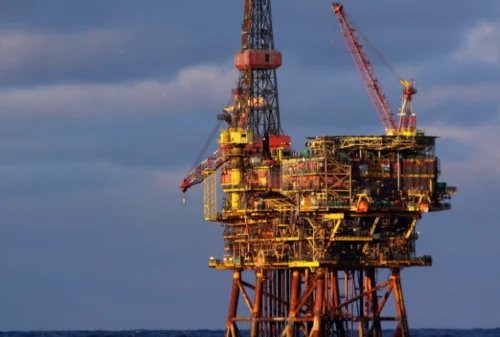
Houthis Attack Heightens Oil Market Tensions
Oil prices experienced a significant spike following reports that Houthi forces targeted two Saudi oil tankers in the Red Sea. This incident has escalated fears surrounding global energy supplies, leading to shipping companies rerouting vessels to avoid the risky area. Analysts are now voicing concerns about a “two-chokepoint” risk for the oil market, which includes not only the Red Sea but also the crucial Strait of Hormuz, a key passage for oil exports.
The impact of such attacks is profound, as they raise the specter of potential supply disruptions. With the Houthi claims confirmed, market participants are watching closely, and prices have reacted accordingly. In the wake of the attack, the front-month futures contract for West Texas Intermediate (WTI) surged by over 5%, reflecting heightened anxiety over oil availability.
Geopolitical Strains and Their Market Implications
Adding to the rising tension, the United States has conducted a series of strikes against Iranian targets, marking the twelfth round of military action in the ongoing conflict. President Trump has issued stern warnings, threatening to target critical Iranian infrastructure, including bridges and power plants, should hostilities persist. While these developments indicate a heightening military engagement, both Washington and Tehran have indicated that peace talks are not imminent, prolonging the uncertainty in the region.
This geopolitical backdrop is critical for investors and analysts, as any further escalation could lead to a dramatic increase in oil prices. The current environment suggests that oil could remain volatile, influenced by broader geopolitical factors in addition to conventional supply and demand dynamics.
Market Reactions Beyond Oil Prices
The repercussions of the Houthi attacks and the U.S.-Iran tensions extend beyond just oil markets. In financial reporting, Emirates NBD and First Abu Dhabi Bank surprised analysts with quarterly operating incomes that slightly exceeded expectations, demonstrating resilience in the face of geopolitical instability. Meanwhile, Alphabet has raised its outlook for AI investments, signaling confidence in tech despite uncertainties elsewhere.
On the automotive front, Tesla reported weaker-than-expected profits, impacting its stock price as the company plans to ramp up capital spending amid a challenging market. Concurrently, U.S. officials have accused Moonshot AI of accessing restricted Nvidia chips, highlighting the ongoing scrutiny surrounding tech firms’ compliance with regulations.
Global Market Responses and Economic Outlook
In Asia, South Korea’s KOSPI index surged nearly 4%, reflecting investor optimism despite challenges in the energy sector. Conversely, Canada’s reaction to U.S. tariffs is under scrutiny, particularly with tariffs reaching as high as 50%. Investors are keen to understand how this will impact Canada’s economic growth and its trade relationships.
In South Africa, rising inflation is leading to strengthened expectations of higher interest rates, while the European Central Bank is anticipated to maintain its current rates in July before possibly tightening further in September. These economic indicators are crucial as they reflect global economic trends amidst the backdrop of energy market volatility.
What to Watch Next in Oil Markets
Moving forward, market participants should closely monitor both the geopolitical developments in the Middle East and the responses from major economies to emerging economic challenges. The price movements of oil, particularly in light of the Houthis’ actions, will be pivotal. Investors will be looking for key levels—such as a sustained break above $80 per barrel—to gauge market sentiment. Additionally, any further military actions or diplomatic initiatives could quickly alter the landscape, making vigilance essential in the coming weeks.








Comments are closed.