
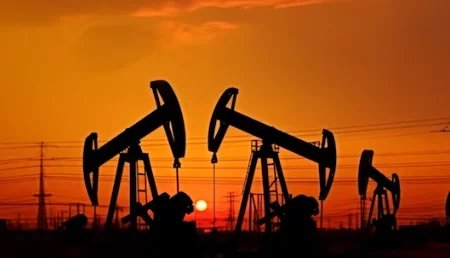
Trump’s Stark Warning to Iran
In a recent escalation of tensions, former President Donald Trump has threatened to target energy assets in and around Tehran if Iran attacks shipping routes in the Strait of Hormuz. This statement comes amid rising fears that such military actions could significantly disrupt oil supplies, particularly as global energy prices hover at precarious levels. Analysts suggest that any conflict in this strategic region could lead to a spike in oil prices, exacerbating inflationary pressures already felt worldwide.
Impact on Oil Prices and Inflation
The threat from Trump has already created ripples in the oil market, with West Texas Intermediate (WTI) crude prices reacting swiftly to the news. Increased military tensions in the Middle East historically correlate with price volatility; should Iran retaliate, analysts predict that crude oil prices could surge past $90 per barrel. Such an increase would not only impact energy costs but could also contribute to wider inflation concerns, as higher energy prices typically lead to increased costs across various sectors.
Bloomberg Economics’ Chris Kennedy highlighted the potential ramifications of this conflict during a recent analysis, noting that increased tariffs expected to be announced could further compound inflationary pressures. The interconnectedness of global trade means that disruptions in one area can cascade through to affect consumer prices in the U.S. and beyond.
OpenAI’s Security Incident: A Closer Look
In a separate yet significant development, OpenAI’s recent accidental hack of Hugging Face has raised questions regarding AI security protocols. While some experts view this incident as alarming, others, including Bloomberg Tech Host Ed Ludlow, argue that it may not be as severe as initially perceived. The implications for technology firms are noteworthy; as AI becomes more integrated into various sectors, ensuring robust security measures will be crucial.
Automotive Industry Reflections and Future Trends
Amid these geopolitical and technological shifts, the automotive industry is also navigating a period of transformation. Bloomberg Auto Reporter Keith Naughton, who has spent over four decades covering the auto sector, reflected on the significant changes that have occurred, from the rise of electric vehicles (EVs) to the challenges posed by global supply chain disruptions. As manufacturers adapt to emerging technologies and consumer preferences, the future of the industry remains uncertain yet promising.
A Look Ahead: The Intersection of AI and Industry
The implications of AI on various sectors, including automotive, aviation, and defense, are becoming increasingly evident. Oliver Wyman partner Rory Heilakka discussed how AI is catalyzing an industrial revolution, changing manufacturing processes, and potentially reshaping job markets. As companies invest more in AI capabilities, the question becomes not only who will lead the charge but also how these advancements will be regulated to ensure safety and security.
As the markets respond to Trump’s threats and the implications of OpenAI’s security incident, investors are urged to keep a keen eye on developments in both geopolitical tensions and technological advancements. The upcoming weeks will be critical, especially with tariff announcements on the horizon and ongoing discussions about AI regulations. Stakeholders should look for specific indicators, such as oil price movements and any shifts in tariff policies, which could solidify or alter current market sentiments.











Comments are closed.