
What Scientists Discovered
Recent advancements in battery technology have shed light on a significant barrier to the widespread adoption of solid-state batteries. For years, researchers have grappled with understanding the failure mechanisms behind these batteries, particularly the internal short circuits that have hindered their commercialization. Now, two separate studies have pinpointed the physical processes that lead to the formation of microscopic lithium structures, which ultimately compromise the integrity of the battery.
The findings reveal that these lithium dendrites develop within the cell and breach the protective barrier, leading to short circuits. This crucial understanding transforms a long-standing mystery into a defined engineering challenge, paving the way for further innovations in solid-state battery designs.
Implications for the Electric Vehicle Market
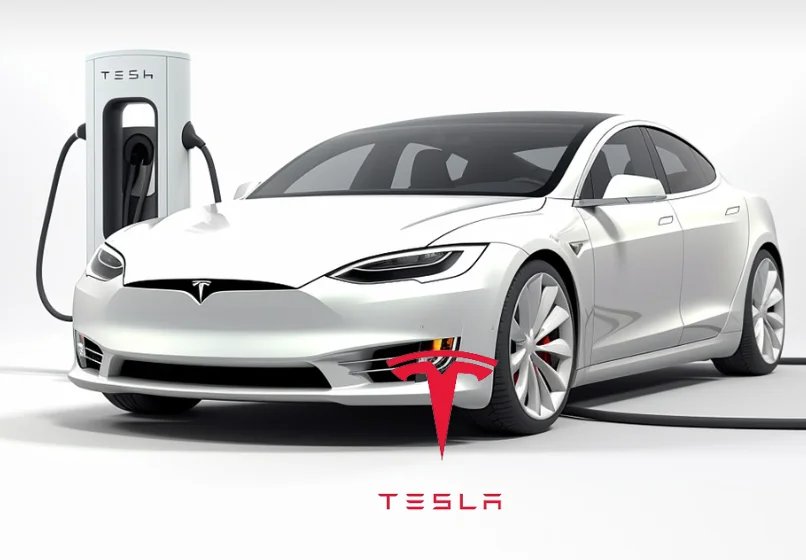
This breakthrough has significant implications for the electric vehicle (EV) market, where solid-state batteries are seen as a potential game changer. Unlike traditional lithium-ion batteries, solid-state batteries promise higher energy density, improved safety, and faster charging times. Automakers like Tesla and Apple have invested heavily in solid-state technology, anticipating a future where these batteries could enhance vehicle performance and extend range.
As the demand for EVs continues to soar, driven in part by rising fuel prices and increasing environmental awareness, the successful implementation of solid-state batteries could accelerate market growth. Tesla’s stock has seen fluctuations as investor sentiment hinges on the company’s ability to innovate and improve battery technology. Similarly, Apple’s interest in EV development has sparked speculation about its long-term strategy in the automotive sector.
Market Outlook and Future Developments
The potential commercialization of solid-state batteries could reshape the competitive landscape among EV manufacturers. As researchers work towards solutions to mitigate the short-circuiting issue, companies are likely to ramp up investment in battery research and development. This surge in innovation may lead to new partnerships, acquisitions, and funding rounds in the battery technology sector.
In addition, government incentives aimed at promoting clean energy solutions could further expedite the transition to solid-state batteries. Various countries have introduced policies to reduce carbon emissions and encourage the adoption of electric vehicles. With these governmental initiatives, the market for advanced battery technologies is ripe for growth.
Challenges Ahead
Despite the promising advancements, challenges remain in the development of solid-state batteries. Manufacturers will have to overcome production scalability issues and ensure that the new battery designs can be mass-produced at a feasible cost. The transition from laboratory-scale experiments to commercial viability is a significant hurdle that requires collaborative efforts among scientists, engineers, and industry leaders.
Moreover, regulatory hurdles and supply chain constraints could also impact the timeline for bringing solid-state batteries to market. Ensuring a steady supply of materials needed for these advanced batteries will be crucial for sustaining growth in the sector.
In conclusion, the identification of the failure mechanisms in solid-state batteries marks a pivotal moment for battery technology. As researchers continue to address these challenges, there is a growing optimism about the future of solid-state batteries and their potential impact on the EV market. With increased investment and a clearer path to commercialization, we could soon witness a shift towards more sustainable and efficient energy solutions in transportation.











Comments are closed.