
What Happened in the Final
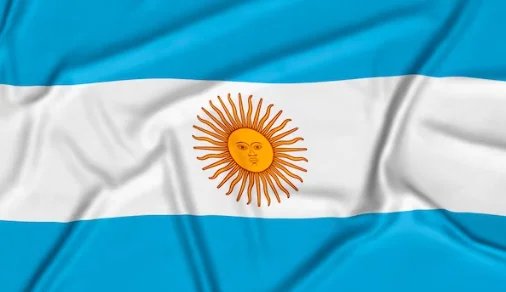
In a thrilling showdown on Sunday, Spain emerged victorious in the 2026 FIFA World Cup final, clinching the title after a hard-fought 1-0 win over Argentina. The match, held in front of a raucous crowd, went into extra time, with Spain scoring the decisive goal that crowned them as football’s new champions.
The contest unfolded with both teams exhibiting high levels of skill and determination. Argentina, hoping to reclaim the title after their last World Cup victory in 1986, pressed hard throughout the match but found it difficult to penetrate Spain’s solid defense.
Impact of Spain’s Victory
This win marks Spain’s second World Cup title, their first being back in 2010. The triumph is a significant milestone for Spanish football, which has seen a resurgence in recent years. The victory not only boosts national pride but also has economic implications, likely leading to increased investments in sports, tourism, and related sectors.
As Spain celebrates this monumental achievement, analysts predict a potential rise in the Spanish economy with increased consumer spending related to sporting events. Moreover, the global visibility from the World Cup can attract foreign investment, especially in tourism and sports merchandise. In contrast, Argentina’s loss, while disappointing, highlights the competitive nature of international football and may lead to introspection and restructuring within their football programs.
Market Context and Future Outlook
On a broader scale, the aftermath of such significant sporting events often reflects in various market sectors. Historical data suggests that countries hosting or winning major tournaments typically see short-term boosts in economic activity. For instance, the 2010 World Cup victory had a positive impact on Spain’s GDP growth, and similar patterns could be anticipated from this year’s win.
Investors should keep an eye on sectors such as travel, hospitality, and sports merchandising, which may witness a spike in demand in the coming months. Additionally, stocks related to sportswear and gear could benefit as fans look to celebrate Spain’s success through merchandise purchases.
Furthermore, with cryptocurrencies gaining traction in sports sponsorships and fan engagement, companies associated with such initiatives may also see growth opportunities. The performance of digital currencies like Bitcoin and Ethereum may be indirectly affected as more people engage with football and related investment opportunities.
Conclusion
Spain’s victory in the 2026 World Cup final is not just a sporting triumph but an event that could stimulate economic growth and investment in the region. The effects of such victories often resonate beyond the pitch, affecting various sectors and markets. As Spain basks in its glory, the focus now shifts to how this victory will translate into long-term benefits for the nation and its economy.
Moving forward, fans and investors alike will be watching closely to see how the Spanish economy responds to this uplift in national pride and whether it leads to tangible financial benefits in the market.










Comments are closed.