
What Happened
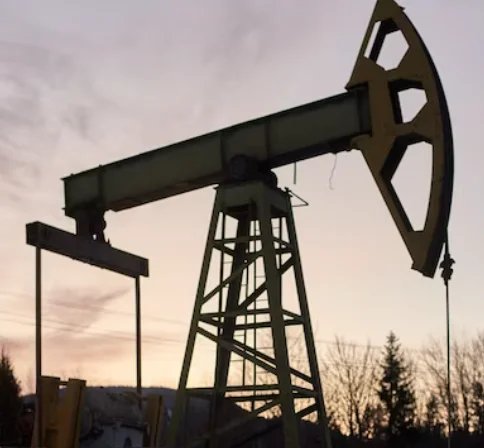
The UK government, led by Prime Minister Burnham, has decided to uphold a ban on new exploration licenses in the North Sea. This decision has sparked significant backlash from both the oil and gas industry, as well as trade unions. Many stakeholders are concerned about the long-term impact this ban will have on the energy sector, particularly amidst growing global demand for energy resources.
Industry Reaction
Representatives from the oil and gas sector have voiced their dissatisfaction, arguing that the ban contradicts the UK’s commitment to energy security. Industry leaders contend that exploration in the North Sea is essential for sustaining production levels and meeting future energy needs. Trade unions have also criticized the decision, suggesting it could jeopardize jobs within the sector.
According to recent reports, the North Sea is seen as a vital asset in the UK’s energy landscape, with the potential to provide a substantial portion of the country’s energy requirements. The government’s stance has raised questions about the balance between environmental commitments and economic growth, particularly as the world shifts towards renewable energy sources.
Market Context and Implications
This ban comes at a time when energy prices remain volatile, influenced by geopolitical tensions and supply chain disruptions. Brent crude oil prices have recently shown fluctuations, hovering around $90 per barrel, which underscores the need for stable supply sources. Analysts believe that limiting exploration could lead to increased reliance on imports, which may drive prices higher in the long term.
As the UK aims to transition to greener energy, the challenge remains to balance environmental goals with the immediate need for reliable energy sources. Market experts have suggested that this decision might push the UK further towards renewable alternatives but could also risk energy shortages if domestic production declines.
Future of Energy Policy
The government’s decision reflects a broader trend in energy policy aimed at reducing carbon emissions. However, critics warn that this could stifle innovation in the oil and gas sector. The ban’s longevity and potential extensions will likely be scrutinized in the coming months, especially as elections approach and energy prices fluctuate.
Furthermore, the government may need to reassess its stance if energy prices continue to rise. In a global market where energy security is paramount, the balance between exploration and environmental responsibility is complex and fraught with challenges.
Conclusion and Forward-Looking Insights
While the UK government stands firm on its ban for now, the feedback from industry stakeholders indicates that this issue will remain contentious. The future of the North Sea exploration policy will shape not only the domestic energy landscape but also the broader market dynamics in the energy sector. As energy demands evolve and geopolitical factors come into play, the government may be compelled to revisit its policies to ensure both sustainability and energy security.
In summary, the ban on North Sea exploration licenses reflects significant tensions between environmental goals and the economic imperatives of the oil and gas sector. Stakeholders will be closely monitoring the situation as it develops, particularly in light of fluctuating energy prices and the urgent need for a diversified energy strategy.









Comments are closed.