
What Happened
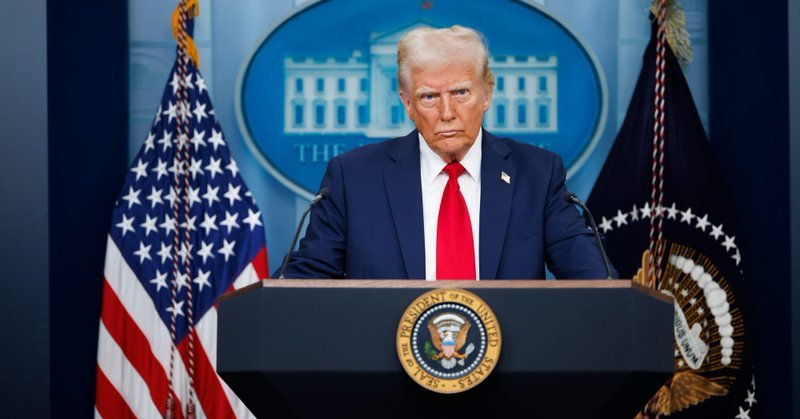
In a significant escalation of geopolitical tensions, former President Donald Trump announced via social media that the ceasefire between the United States and Iran has officially ended. This declaration follows recent military strikes in the strategic Strait of Hormuz, a crucial passage for global oil shipments. The immediate market reaction was palpable, with oil prices experiencing a sharp uptick as traders reacted to the heightened risk of conflict.
Market Reactions
Following Trump’s announcement, oil prices surged, reflecting concerns over potential disruptions in supply. As of the latest reports, Brent crude oil, the global benchmark, jumped by approximately 5% to around $85 per barrel. Meanwhile, West Texas Intermediate (WTI) also saw a significant increase, pushing past the $80 mark. Analysts suggest that continued instability in the region could lead to further price hikes, as the Strait of Hormuz is vital for oil transport, with about 20% of the world’s oil passing through this narrow waterway.
In addition to rising oil prices, the news has also impacted tanker traffic in the region, with reports indicating a slowdown in shipping activities. Shipping companies are likely evaluating their routes amid the renewed hostilities, which could lead to increased shipping costs and delays. Furthermore, defense stocks have come under the spotlight, with several companies in the defense sector experiencing a surge in share prices as investors anticipate increased military spending.
Why It Matters
The implications of Trump’s statement extend beyond immediate market reactions. The end of the ceasefire could signal a return to more aggressive military posturing between the U.S. and Iran, raising fears of a broader conflict in the Middle East. Such a scenario could have far-reaching consequences for global markets, particularly in the energy sector. Investors are now closely monitoring the situation, as any further escalation could lead to substantial volatility in oil prices.
Moreover, the geopolitical landscape is already fragile, with ongoing tensions in various parts of the world. The potential for increased military conflict could exacerbate existing supply chain issues and fuel inflationary pressures, particularly in energy-dependent economies. Market analysts are advising investors to remain cautious and consider the potential for heightened volatility in the coming weeks as the situation develops.
Looking Ahead
As the situation unfolds, market participants will be keenly watching for further developments from both the U.S. government and Iranian officials. The potential for diplomatic negotiations remains, but the current rhetoric suggests that tensions may continue to escalate before any resolution is reached. Investors should prepare for a period of uncertainty, particularly in energy markets, where prices are likely to remain volatile as geopolitical risks loom large.
In summary, Trump’s declaration marks a critical turning point in U.S.-Iran relations, with immediate implications for oil prices and broader market stability. As the situation evolves, stakeholders across various sectors will need to stay informed and agile in their strategies.









Comments are closed.