

Current Market Landscape
Bitcoin has experienced a significant decline in its market capitalization, dropping out of the top five assets globally. Recent analysis suggests that this bear market for Bitcoin may be nearing its end, with estimates indicating that approximately 70% of the downturn is already complete. However, this does not guarantee a swift recovery, as experts predict that Bitcoin may remain outside the top five for another decade, potentially until 2036.
The cryptocurrency’s market cap has faced challenges from both regulatory pressures and increased competition from alternative digital assets. As of now, Bitcoin’s market cap is significantly overshadowed by not only traditional assets like gold and major tech stocks but also by emerging cryptocurrencies that have gained traction among investors.
Factors Influencing Bitcoin’s Recovery
One of the primary factors affecting Bitcoin’s market cap is its adoption rate among institutional investors. While there have been signs of renewed interest, many institutions remain cautious, opting to invest in less volatile assets. Furthermore, the regulatory landscape surrounding cryptocurrencies continues to evolve, which creates an atmosphere of uncertainty that can deter investment.
Additionally, Bitcoin’s price volatility remains a significant hurdle. The cryptocurrency market is notorious for its rapid price swings, which can lead to hesitance from potential investors. For instance, Bitcoin recently fluctuated between $25,000 and $35,000, showcasing the unpredictable nature of its market. Analysts argue that until Bitcoin can stabilize and show consistent growth, it may struggle to reclaim its former status.
Competitive Landscape in the Crypto Market
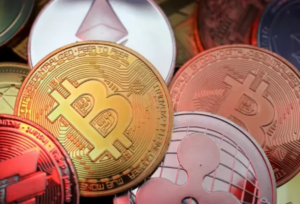
Bitcoin’s challenges are compounded by the rise of alternative cryptocurrencies, often referred to as altcoins, which have carved out their own niches and attracted investor interest. Ethereum and other established players have introduced innovative technologies and use cases, appealing to a broader audience. As Bitcoin competes for market share, its aging technology and lack of scalability compared to these newer platforms may hinder its recovery.
Moreover, the increasing popularity of decentralized finance (DeFi) and non-fungible tokens (NFTs) has shifted some focus away from Bitcoin. Many investors are exploring these new opportunities, which may contribute to Bitcoin’s delayed resurgence in the market rankings.
Looking Ahead: The Road to Recovery
Experts suggest that for Bitcoin to regain its position as a leading asset by market cap, it must address various challenges, including enhancing its technology and improving its image among institutional investors. Although the bear market is projected to be nearing its end, a full recovery could take several years. Analysts emphasize that patience will be key for Bitcoin holders, as the cryptocurrency space often requires time to digest and adjust to market shifts.
In conclusion, while Bitcoin shows signs of potential recovery, the road ahead is fraught with obstacles. The competition from altcoins, regulatory uncertainties, and the need for technological advancements could delay its return to top-tier asset status until 2036.










Comments are closed.