
Iraq’s Oil Production Crisis
Iraq’s oil production has faced a dramatic downturn, plummeting from 4.3 million barrels per day (bpd) to approximately 1.7 to 1.8 million bpd. This represents a staggering 60% decline, largely attributed to the ongoing Iran–U.S.–Israeli conflict, which has severely impacted the region’s logistical capabilities. The Iraqi Oil Ministry has been forced to implement widespread shutdowns, particularly in the southern oil fields, to manage the situation.
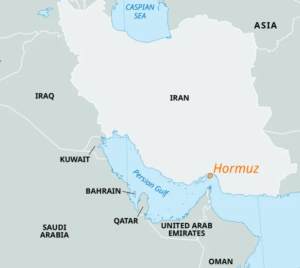
Key fields such as Rumaila, West Qurna-2, and Maysan have seen significant reductions, losing 700,000 bpd, 460,000 bpd, and 325,000 bpd respectively. These cuts could potentially exceed 3 million bpd if the current disruptions continue, especially with the critical Strait of Hormuz remaining blocked.
Impact on Global Oil Markets
The sharp decline in Iraq’s oil production has sent shockwaves through global oil markets. Prices have surged due to fears of prolonged supply disruptions. As of March 7, West Texas Intermediate (WTI) crude oil prices soared to approximately $90.90 per barrel, marking a 36% increase over the previous week. Similarly, Brent crude climbed to $92.69, reflecting a 27% rise.
The conflict-induced volatility has prompted major financial institutions to adjust their forecasts. UBS has increased its Q1 2026 Brent price projection to $71 per barrel, with expectations of prices reaching $80. Meanwhile, Goldman Sachs anticipates Brent prices could exceed $90 or even $100 per barrel if the situation persists.
Broader Economic Implications
The repercussions of Iraq’s oil production collapse extend beyond the energy sector. The surge in oil prices has led to a nearly 9% spike in U.S. retail gasoline prices, jumping from $2.98 to $3.25 per gallon. Diesel prices have also surged to an average of $4.33 per gallon, nearly doubling from the previous year.
These price increases are likely to exert inflationary pressures on the global economy, affecting transportation costs and household energy bills. Analysts warn that continued disruptions could lead to a major energy shock, with limited infrastructure alternatives to the Strait of Hormuz compounding the issue.
Future Outlook
As the geopolitical situation remains tense, the outlook for Iraq’s oil production and global oil markets is uncertain. The potential for further disruptions looms large, and market participants are bracing for continued volatility. The situation underscores the critical importance of geopolitical stability in maintaining energy market equilibrium.
In summary, Iraq’s significant reduction in oil output has triggered a substantial increase in global oil prices, with widespread economic implications. As the conflict in the Middle East unfolds, stakeholders across industries must remain vigilant and prepared for further market fluctuations.
The coming weeks will be crucial in determining the trajectory of both Iraq’s production capabilities and the broader oil market dynamics. Stakeholders should closely monitor developments and adjust their strategies accordingly to navigate this challenging landscape.




Comments are closed.