
Strait of Hormuz Ceasefire in Jeopardy
Geopolitical tensions flared over the weekend as Iran’s Foreign Ministry issued a sharp rebuke against the United States. The ministry accused the U.S. of committing war crimes through what it termed an “unlawful naval blockade” in the Strait of Hormuz.
This accusation came just hours after former U.S. President Donald Trump publicly stated that Tehran had fired in the strategic waterway, alleging a breach of an active ceasefire agreement. The exchange marks a significant escalation in rhetoric concerning one of the world’s most critical oil chokepoints.
The Strait of Hormuz is a narrow passage between the Persian Gulf and the Gulf of Oman. Approximately 20-30% of the world’s seaborne crude oil and petroleum products pass through it daily, making its security a paramount concern for global energy markets.
Market Impact and Safe-Haven Flows
Historically, geopolitical instability in the Middle East, particularly involving key oil transit routes, triggers immediate reactions across financial markets. Investors typically seek assets perceived as safe havens during periods of heightened uncertainty.
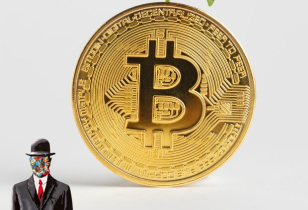
In this environment, Bitcoin has increasingly been viewed by a segment of the market as a digital store of value, akin to gold. While its correlation to traditional geopolitical events is less direct than oil, periods of macro uncertainty often see increased trading volume and volatility in major cryptocurrencies.
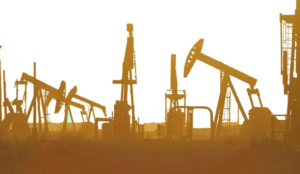
Oil prices are the most direct barometer of Strait of Hormuz tensions. A sustained disruption or threat to shipping can lead to supply fears, pushing the price of benchmarks like Brent and WTI crude higher. Conversely, de-escalation tends to apply downward pressure.
Why Bitcoin Is in Focus
The mention of Bitcoin alongside this geopolitical news reflects its evolving role in the global financial landscape. Unlike traditional currencies, Bitcoin is not tied to any single nation-state or central bank, which some investors argue makes it a potential hedge against geopolitical risk and inflationary pressures that can arise from conflict.
However, this relationship is complex and not always consistent. Bitcoin’s price is influenced by a multitude of factors including regulatory news, institutional adoption trends, and broader risk sentiment in equity markets. Its reaction to Middle East tensions is often more muted and delayed compared to classic havens like gold or the Swiss Franc.
The Energy Market Calculus
For commodities, the calculus is more straightforward. Any credible threat to the free flow of oil through the Strait of Hormuz has an immediate impact. Traders price in a “geopolitical risk premium” to account for potential supply disruptions.
The United States Oil Fund ($USO), a popular ETF that tracks crude oil futures, is a key instrument for traders looking to gain exposure to these price movements. Its performance is closely tied to headlines from the region.
It is crucial to note that as of this reporting, there have been no confirmed reports of actual physical disruptions to shipping traffic. The current market moves are based on the escalating war of words and the potential for future incidents.
Historical Context and Current Stance
Strait of Hormuz tensions are not new. The waterway has been a flashpoint for decades, with periodic spikes during the Iran-Iraq War in the 1980s, and more recently during periods of maximum pressure sanctions on Iran.
The current U.S. administration’s policy toward Iran remains a critical variable. The status of nuclear negotiations and the enforcement of sanctions directly influence Iran’s actions and rhetoric. Market participants will be closely monitoring official statements from Washington for clues on the potential for a diplomatic or military response.
Regional allies, including Saudi Arabia and the United Arab Emirates, also play a significant role. Their oil production and export capabilities can help offset short-term disruptions, but a major closure of the Strait would overwhelm global spare capacity.
Uncertainty and Forward-Looking Risks
The primary risk for investors is the uncertainty itself. Markets dislike unpredictability, and a prolonged period of saber-rattling can suppress risk appetite and increase volatility across asset classes, not just in oil and crypto.
For now, the situation appears contained to diplomatic posturing. However, the history of the region suggests that miscalculations or accidental engagements can quickly escalate. The deployment of naval assets by both the U.S. and Iran in the area will be a key indicator to watch in the coming days.
Summary and Key Takeaway
The war of words between Iran and the United States over the Strait of Hormuz has reintroduced a familiar geopolitical risk premium into markets. While direct oil supply remains uninterrupted, the threat to a vital chokepoint supports oil prices and stirs interest in alternative assets like Bitcoin.
Investors should monitor for any signs of actual military engagement or shipping interference, which would significantly amplify market moves. In the near term, expect heightened volatility in energy markets and cautious trading in risk assets until the diplomatic rhetoric cools.






Comments are closed.