

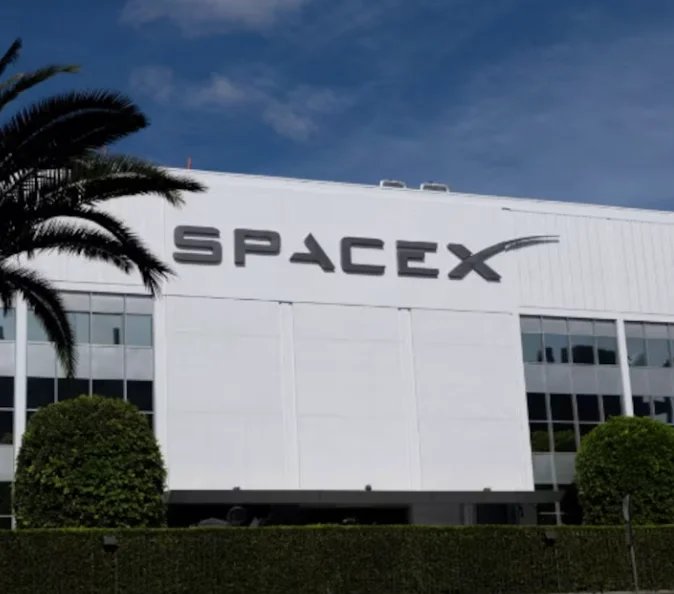
SpaceX’s latest quarterly report contains a corporate governance detail that carries outsized weight for Tesla shareholders: the filing states that any combination involving Tesla would require sign-off from SpaceX’s “controlling shareholder.” That phrase points to one person — Elon Musk — who leads both companies and holds a controlling stake in the privately held rocket and satellite venture. The language matters because it formalizes, in securities filing terms, what has long been an open question among Tesla investors: who would actually decide whether the two companies ever combine? According to the filing, the answer runs through SpaceX’s controlling shareholder, not through an independent committee or a simple board vote at the rocket company.
Why the Filing Language Matters
Tesla is a public company with its own board and its own shareholder base, and any merger would ordinarily require approvals on both sides. But SpaceX’s disclosure adds a gate on the private side of the equation. Because Musk is SpaceX’s controlling shareholder, the filing effectively confirms that no combination proceeds without his consent — a structure that concentrates decision-making authority in the person who also serves as Tesla’s chief executive. For Tesla investors, that cuts both ways. Supporters of a combination may read the disclosure as a signal that the path to a deal is clearer than it appears, since the key decision-maker on the SpaceX side is already deeply involved in Tesla. Skeptics may see it as a reminder that related-party governance questions would loom large over any transaction, particularly given Musk’s overlapping roles and his large ownership stake in Tesla itself.
Musk’s Public Position
Musk has said publicly that he is staying out of any Tesla merger discussion, a stance that sits awkwardly beside the filing’s confirmation of his controlling authority. The tension is not necessarily a contradiction: a controlling shareholder can decline to drive a process while still holding the formal power to approve or block one. But it does mean that any eventual decision — whether to pursue a combination or to leave the companies separate — would ultimately rest with him. The disclosure also arrives against a backdrop of growing overlap between Musk’s various ventures. Tesla and SpaceX have shared talent, technology interests, and investor attention for years, and Musk’s other companies have periodically raised questions about how his time and capital are allocated across them. A formal statement that SpaceX’s controlling shareholder must approve any Tesla combination adds a concrete governance data point to that broader discussion.
What to Watch
For now, the filing is a disclosure rather than an announcement. It does not indicate that a transaction is under consideration, and no deal terms, timeline, or structure have been made public. Investors should treat the language as a description of approval mechanics — who would have to say yes — rather than evidence that a yes is being sought. The practical takeaway is that the question of a Tesla–SpaceX combination now has a documented answer on the governance side: the controlling shareholder holds the final word. Whether that word is ever exercised remains, by Musk’s own public account, something he says he is staying out of. Tesla shareholders will have to weigh that stated distance against the filing’s plain confirmation of control.
Sources: decrypt.co · Yahoo Finance · WSJ · Fortune · Investing.com