
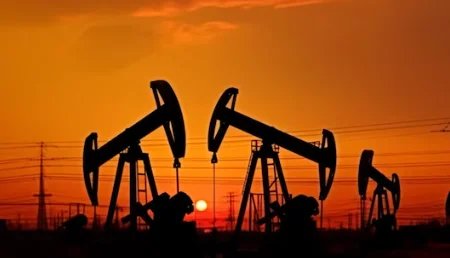
Oil Giants Book Windfall Gains as War Risk Premium Builds
European markets opened higher on Tuesday, buoyed by a wave of corporate earnings that underscored the uneven impact of the Middle East conflict. The Stoxx Europe 600 climbed 0.62% in early trade, led by industrial shares, while Germany’s DAX advanced 0.84% and France’s CAC 40 rose 0.54%. The gains came as investors digested a fresh round of results from oil majors, whose profits have spiked on the back of rising energy prices.
The conflict has added a risk premium to crude, with Brent and WTI benchmarks trading near multi-month highs. ExxonMobil and Chevron, the two largest U.S. oil producers, reported combined profits that beat analyst estimates, driven by higher realized prices for both crude and refined products. The windfall has reignited a political debate over windfall taxes, with former President Donald Trump publicly criticizing the soaring earnings.
Why Rate Hikes Have Failed to Cool Inflation Pressures
Central banks across the globe have raised interest rates aggressively to combat inflation, but the latest data suggests that these moves are increasingly ineffective against price pressures originating overseas. Supply chain disruptions and energy shocks—exacerbated by the Middle East war—have kept inflation sticky, even as domestic demand shows signs of cooling. This has left policymakers in a bind: higher rates are doing little to tame the imported inflation while simultaneously slowing growth.
The situation is particularly acute in Europe, where the European Central Bank has hiked rates to record levels. Yet inflation remains above target, largely because energy costs are set by global markets. Analysts argue that monetary policy is a blunt tool for addressing supply-side shocks, and the current episode highlights its limitations.
Banks Reap Windfall Profits at Public Expense
Another consequence of the rate-hike cycle has been a surge in bank profitability. As central banks lifted borrowing costs, net interest margins widened, delivering record profits to financial institutions. However, these gains have come directly at the expense of consumers and businesses, who face higher loan payments and tighter credit conditions.
In Europe, where public anger over bank profits has grown, governments have so far resisted imposing windfall taxes, largely due to lobbying from the powerful banking sector. This is despite opinion polls showing overwhelming public support for such a policy. The tension between public sentiment and political reality is likely to intensify if banks continue to post bumper earnings.
What to Watch: OPEC+ Meeting and Inflation Data
Investors will now focus on the upcoming OPEC+ meeting, scheduled for later this month, where the group will decide on production levels. Any signal of a supply increase could temper oil prices, while a cut would likely extend the rally. Additionally, U.S. inflation data due next week will be closely scrutinized for signs that the rate-hike cycle is finally taming price pressures. A downside surprise in CPI could shift market expectations for future Fed moves, potentially easing pressure on both equities and bonds.
The key number to watch is the monthly change in core CPI, which, if it comes in below 0.3%, could mark a turning point in the inflation fight. For the oil rally, the decisive factor will be whether OPEC+ chooses to add barrels to the market. Both events have the power to confirm or break the current market narrative.




Comments are closed.