
Aramco’s Q2 Net Income Rises to $33.4 Billion
Saudi Aramco reported a 33% year-over-year increase in second-quarter adjusted net income, reaching $33.4 billion, up from $25.2 billion in the same period last year. The jump was driven by higher crude prices and stronger refining margins, despite lower sales volumes and increased operating costs.
The company’s upstream earnings benefited from elevated oil prices, while downstream earnings nearly doubled on the back of improved refining margins. Aramco also faced higher taxes and operating expenses, which partially offset the gains.
How Aramco Bypasses the Strait of Hormuz
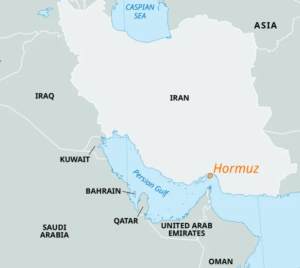
With the U.S.-Iran conflict disrupting shipping through the Strait of Hormuz, Aramco has relied on its East-West Pipeline to transport crude to the Red Sea port of Yanbu. From there, tankers have rerouted south through the Bab al-Mandeb Strait for Asian customers, or north via the Suez Canal for European buyers.
This alternative network has helped maintain export levels, but it cannot fully replace the volumes normally shipped through Hormuz. The company has also repositioned Yanbu as a strategic hub for western-region shipments, underscoring the shift in logistics.
Red Sea Threats Add New Risks to Oil Routes
The workaround faces increasing peril as Yemen’s Iran-backed Houthi militants intensify attacks on Saudi oil infrastructure and commercial shipping in the Red Sea. Further disruptions could force Aramco to send cargoes around the Cape of Good Hope, adding significant time and transportation costs.
This vulnerability highlights the fragility of the alternative routes. While the East-West Pipeline provides a buffer, it is not immune to regional conflicts, and any escalation could tighten global oil supplies further.
Market Reaction and Diplomatic Hopes
Oil prices fell sharply on Monday after President Trump called off planned strikes on Iran, following pressure from Saudi Arabia, Qatar, and other Gulf states to pursue negotiations. Renewed diplomatic efforts, including proposals from Oman, have raised hopes of reopening the Strait of Hormuz, through which about a fifth of the world’s oil passes.
However, disagreements remain over shipping arrangements and Iran’s nuclear program. Traders are closely watching for any signs of a breakthrough, as a reopening would likely ease supply concerns and pressure oil prices further.
For publishers and media operators tracking energy markets, the key number to watch is the daily volume through the Strait of Hormuz. Any confirmed reopening date or a sustained decline in Houthi attacks would signal a shift in the risk premium embedded in crude prices. Conversely, an escalation in Red Sea threats could push prices higher, testing Aramco’s ability to maintain exports.






Comments are closed.