
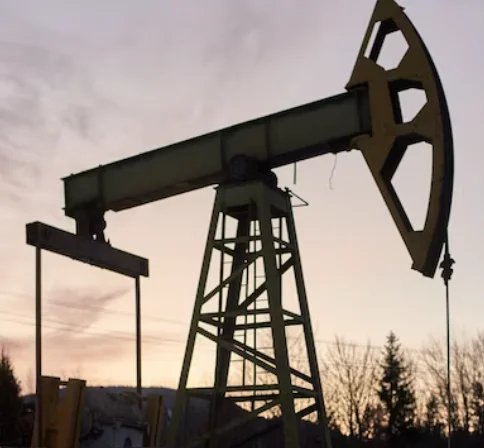
Oil Price Decline Explained
Oil prices experienced a significant decline on Monday, dropping over 5% as investors responded to easing geopolitical tensions in the Middle East. This marked a shift in sentiment following U.S. President Donald Trump’s announcement that he had called off a planned military strike on Iran, a decision that reduced fears of immediate conflict in the region.
The price of West Texas Intermediate (WTI) crude fell to approximately $67.50 per barrel, reflecting a broader trend of decreased risk premiums associated with geopolitical instability. Such fluctuations illustrate the market’s sensitivity to news concerning U.S.-Iran relations, which have historically impacted oil prices due to concerns over potential disruptions in supply.
Implications of Ebbing Geopolitical Risk
The cancellation of military action against Iran alleviates fears that have historically driven oil prices higher in times of conflict. Investors often embed a risk premium into oil prices when tensions escalate, anticipating possible supply shocks that could arise from military actions or retaliatory strikes.
In recent months, the Middle East has been a focal point for oil traders. The region is home to several key shipping routes and oil production facilities. With the potential for conflict now reduced, analysts predict a more stable pricing environment unless new tensions arise.
Furthermore, as the market recalibrates its expectations, oil traders are likely to focus on other factors influencing supply and demand dynamics. For instance, global economic indicators such as U.S. inventory levels and OPEC+ production decisions will remain crucial in shaping market behavior.
Future Factors to Monitor in Oil Markets
Looking ahead, key indicators that could influence oil prices include upcoming inventory reports from the U.S. Energy Information Administration (EIA) and updates from OPEC+ regarding production adjustments. Such reports will provide insights into supply-demand balances and potential price movements.
Additionally, the ongoing recovery from the COVID-19 pandemic continues to play a critical role. As economies reopen and travel ramps up, demand for oil is expected to increase, which could counterbalance any downward pressure from improved geopolitical stability.
Traders and investors will need to watch for any new developments that could rekindle tensions in the Middle East. Any resurgence of conflict or significant political changes in the region could once again impact pricing structures.
In conclusion, while the current easing of tensions has resulted in a notable decline in oil prices, the landscape remains fluid. Key upcoming reports and geopolitical events will be critical in determining whether this trend will persist or if volatility will return to the oil markets.





Comments are closed.