

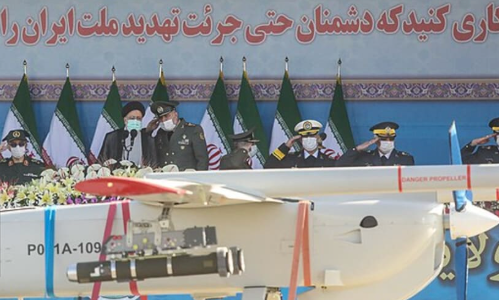
Oil Markets React to U.S.-Iran Talks
Oil prices saw a significant pullback amid anticipation of renewed diplomatic negotiations between the United States and Iran. With tensions simmering in the Middle East, the prospect of dialogue presents a potential for de-escalation, impacting crude markets globally.
Recent Geopolitical Tensions
The international community has been on edge due to heightened tensions following U.S. President Donald Trump’s indications of a possible military strike on Iran. These developments have led to volatility in the oil markets, with investors closely monitoring the situation for any signs of conflict escalation.
Historically, any disruption in the Middle East tends to cause spikes in oil prices due to the region’s significant contribution to global oil supplies. However, the announcement of potential talks has brought a momentary sense of calm, allowing prices to ease from recent highs.
Market Analysis and Reactions
WTI crude oil futures slipped by approximately 1.5% following the news of the upcoming discussions, reflecting the market’s cautious optimism. Analysts suggest that successful talks could lead to a relaxation of U.S. sanctions on Iranian oil, potentially increasing global supply and further influencing price dynamics.
Conversely, the failure of these negotiations might reignite market fears, driving prices upwards again. The oil market remains sensitive to geopolitical developments, with traders weighing potential outcomes and their implications for supply-demand balances.
Global Economic Context
Beyond geopolitical factors, the oil market is also influenced by broader economic indicators. Recently, concerns over global economic growth and its impact on oil demand have added layers of complexity to price movements. The International Energy Agency has noted fluctuations in demand forecasts linked to changing economic conditions worldwide.
This intricate interplay underscores the importance of monitoring both geopolitical and economic developments for a comprehensive understanding of oil market trends.
Outlook
The resumption of U.S.-Iran talks offers a possible pathway to stabilizing the current volatile environment. However, the outcome remains uncertain, and market participants are advised to stay informed about any developments. A successful resolution could ease supply concerns, while breakdowns in dialogue might push prices higher.
For now, the oil market will continue to react to every new piece of information from these negotiations, highlighting the sector’s ongoing sensitivity to geopolitical events.