

AI Infrastructure Doubts Resurface After Anthropic Report
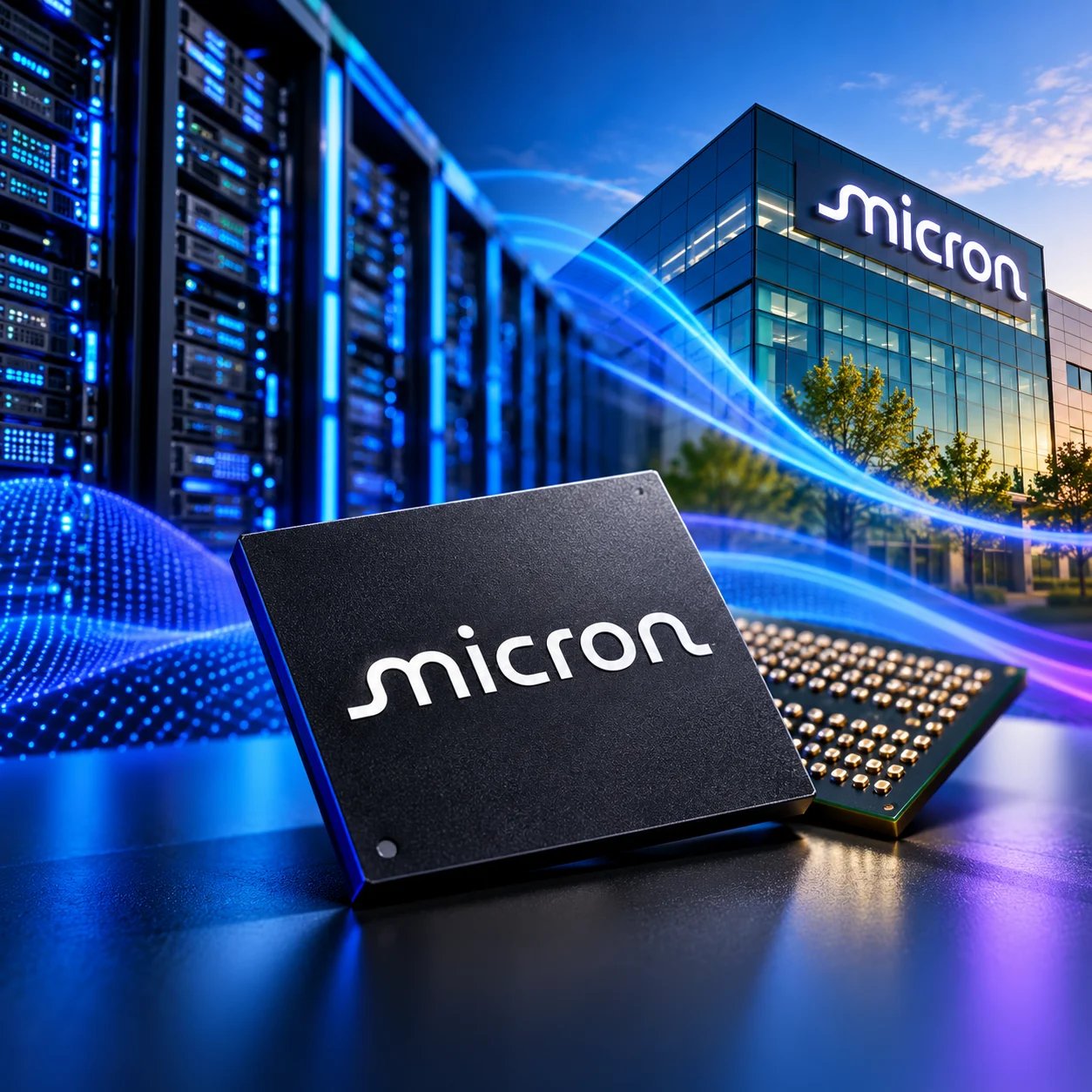
Micron Technology and Nvidia led a fresh selloff in semiconductor shares on Thursday, 15 October 2026, as reported details about Anthropic’s financial progress intensified worries about the durability of the artificial-intelligence spending boom. The Philadelphia Semiconductor Index fell as much as 2.8% intraday before trimming losses, with Micron down 4.1% and Nvidia off 3.3% at the session low.
According to people familiar with the matter, Anthropic has told prospective investors that its gross margin on AI model inference has reached roughly 90%, a figure that would represent a dramatic improvement from earlier this year. Yet the same disclosures reportedly show that the company continues to burn cash at a significant rate, raising questions about how quickly the broader AI ecosystem can convert revenue growth into sustainable profits.
That mix—stellar unit economics paired with heavy cash consumption—is exactly the profile that has made investors nervous about the entire AI supply chain. Chipmakers like Micron and Nvidia sit at the center of that chain, supplying the memory and processors that power large language models.
Why Memory Prices Became the First Domino
Micron’s move lower is especially telling because the company is a direct beneficiary of AI-driven demand for high-bandwidth memory (HBM). HBM revenue has been a bright spot for Micron, with management previously guiding that HBM3E shipments would ramp sharply through 2026. But any hint that AI customers might slow their orders sends an outsized signal through the memory market, where prices can swing violently on demand shifts.
On Thursday, traders pointed to a modest decline in spot prices for DRAM used in AI servers as evidence that the order book may be softening. That is not yet confirmed by contract pricing, which remains elevated, but the market is forward-looking. If Anthropic and its peers are indeed becoming more efficient at inference, they may need fewer GPUs and less memory per unit of revenue—a bear case that suddenly feels more plausible.
Stargate’s $500 Billion Question Mark
Compounding the anxiety is the massive capital expenditure planned by hyperscalers and AI startups. The Stargate project, a joint venture involving OpenAI, SoftBank, and Oracle, has been reported to carry a price tag of up to $500 billion over the next four years. That figure dwarfs the annual revenue of most participants and relies on debt and equity financing that could become harder to secure if AI returns disappoint.
For Micron and Nvidia, Stargate represents both a huge opportunity and a concentration risk. If the project proceeds as planned, demand for advanced chips and memory would remain robust. But if financing stalls or timelines slip, the unwind could be swift. Thursday’s selling suggests some investors are starting to price in that possibility.
Nvidia’s Valuation Leaves Little Room for Error
Nvidia trades at roughly 35 times forward earnings, a premium that assumes continued hypergrowth. Even a modest deceleration in data-center orders could compress that multiple. The stock has already been volatile in October, whipsawing on every AI-related headline.
Analysts at several banks reiterated buy ratings on Thursday, arguing that Anthropic’s margin progress is actually bullish for AI adoption because it makes the technology more economically viable. But the market’s reaction shows that narrative is not yet winning. The burden of proof has shifted to upcoming earnings reports, where Nvidia and Micron will need to show that demand remains firm and pricing is holding.
What to Watch in the Coming Weeks
Nvidia is scheduled to report quarterly results on 18 November 2026. That date is now critical. Investors will parse HBM guidance, data-center revenue, and any commentary on customer order patterns for signs of a slowdown.
Also watch the Philadelphia Semiconductor Index (SOX) for a break below its 200-day moving average, currently near 5,200. A sustained close under that level would confirm the bearish thesis. Conversely, if Micron can hold its 50-day moving average around $145 and Nvidia stays above $180, the bulls may regain control.
For now, the AI trade is in a fragile equilibrium, and every data point—including Anthropic’s margins—is being weighed for what it says about the whole ecosystem.
Sources: marketwatch.com · Yahoo Finance · Benzinga · CNBC · Reuters