
- The U.S.-Israel-Iran conflict inflated global oil and gas import costs by up to $330 billion between March and August 2026, per Finland’s CREA.
- The increase occurred despite oil and gas price spikes being smaller than initially feared by analysts.
- CREA’s estimate covers extra payments for crude, refined fuels, and LNG versus pre-war forecasts.
- With the war ongoing, the think tank warns the import bill could rise further in coming months.
- Higher energy costs are expected to pressure trade balances in importing nations, especially in Asia and Europe.
War Premium Smaller Than Feared, But Bill Still Massive
Notably, the actual price surge has been less severe than many market participants initially anticipated. Brent crude, for instance, has traded in a range that, while elevated, has not breached the worst-case scenarios floated in late winter. Similarly, European natural gas benchmarks have climbed but remain well below the crisis peaks seen in prior geopolitical shocks. CREA attributes this to a combination of strategic reserve releases, softer-than-expected global demand, and the fact that key shipping lanes have remained partially operational despite the conflict.
Nevertheless, the sheer volume of energy traded globally means even a moderate price increase translates into hundreds of billions of dollars in additional transfer payments from importers to exporters. The $330 billion figure represents the upper bound of CREA’s estimate, with the lower bound sitting near $250 billion. The think tank stressed that the calculation is dynamic and will be revised as more trade data becomes available.
Importers Feel the Strain as War Drags On
The financial burden is not evenly distributed. Energy-importing nations in Asia, including India, Japan, and South Korea, are absorbing a disproportionate share of the extra costs, as are several European countries that rely heavily on LNG imports. For these economies, the higher import bill is widening current account deficits and adding to inflationary pressures, complicating central bank policy decisions as they balance growth against price stability.
CREA’s analysts noted that the war’s duration is the single biggest variable in their forecast. “If the conflict persists into the fourth quarter, we could see the cumulative bill exceed $400 billion,” the report stated, though it cautioned that such projections depend heavily on whether attacks on energy infrastructure escalate or de-escalate. The think tank also highlighted that some exporters, particularly those not directly involved in the conflict, are benefiting from windfall revenues, which could shift geopolitical dynamics in the medium term.
Market Outlook and Risks
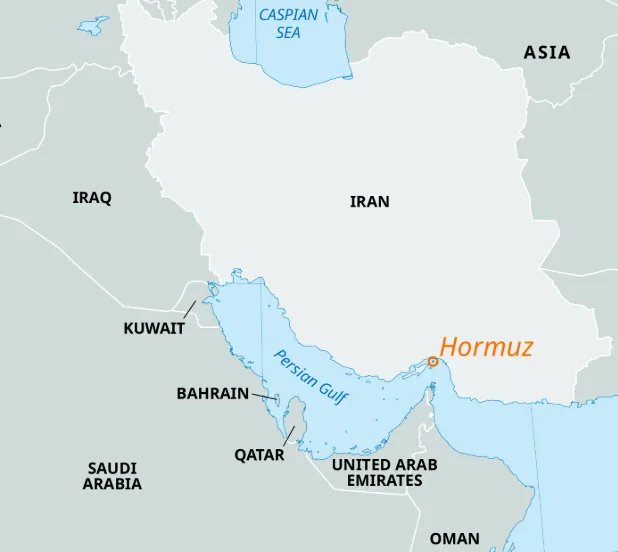
Looking ahead, energy markets remain highly sensitive to headlines from the conflict zone. A de-escalation could trigger a rapid unwinding of the war premium, potentially cutting import bills sharply. Conversely, any major disruption to the Strait of Hormuz or key LNG export facilities would likely send prices—and the import bill—spiking well beyond current levels. Traders are also watching for potential changes in U.S. sanctions enforcement, which could alter supply flows.
For now, CREA’s data underscores a sobering reality: even a “mild” war premium in percentage terms carries enormous absolute costs given the scale of global energy trade. Importing countries may need to accelerate diversification efforts, including investments in renewables and alternative supply routes, to reduce their exposure to conflict-driven price shocks. The think tank plans to update its estimates monthly, providing a real-time gauge of the war’s economic toll on energy consumers worldwide.











Comments are closed.