

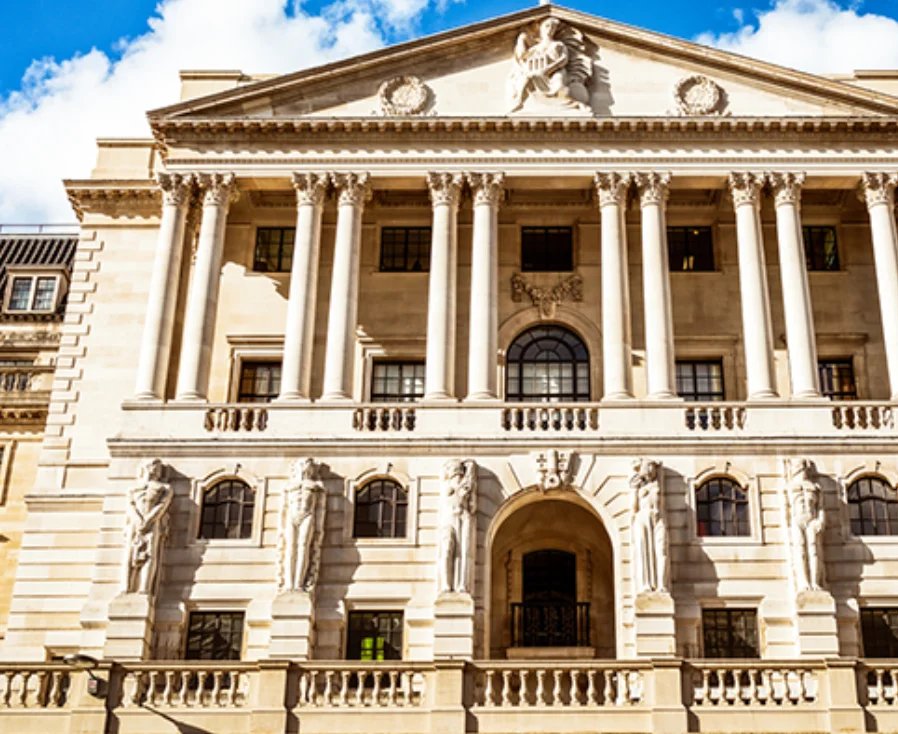
The Bank of England’s deputy governor has warned that hedge fund activity could increase the risk of a shock in global government bond markets, adding a prominent regulatory voice to a debate that has been building since the violent bond selloffs of recent years. The caution reflects a structural change in how sovereign debt markets function: hedge funds, rather than only banks and insurers, now play a central role in pricing and trading government bonds, and they often do so with borrowed money.
The mechanism at issue is leverage. Many hedge fund strategies in fixed income rely on repurchase agreements, or repo, to finance long positions in Treasuries and gilts, sometimes alongside offsetting shorts elsewhere on the curve. In calm markets this activity adds liquidity and helps keep yields aligned. In stressed markets, however, the same trades can unwind quickly. When financing costs rise or margin calls arrive, funds may be forced to sell assets into falling prices, a dynamic that can turn an ordinary repricing into a disorderly move.
Why Regulators Are Watching Leverage
Officials have flagged this vulnerability repeatedly. The episodes of March 2020, when the U.S. Treasury market seized up as the pandemic hit, and the gilt turmoil of autumn 2022, when a leveraged pension strategy forced emergency Bank of England intervention, both illustrated how quickly hidden leverage can become systemic. In each case, forced selling in the world’s safest assets required central bank action to restore order. The deputy governor’s warning suggests supervisors see similar, if less acute, fragilities in the current configuration of hedge fund positioning.
The concern is not that hedge funds are reckless in aggregate, but that their footprint is large and their responses are correlated. Because many funds use similar risk models and financing arrangements, they can all attempt to reduce exposure at the same moment. That procyclical behavior is precisely what turns a modest rise in yields into a stampede. Regulators have limited direct visibility into these positions, since much of the activity sits in the non-bank financial sector and crosses borders, complicating both monitoring and intervention.
Market Implications and the Policy Debate
The policy response remains contested. Some officials favor tougher disclosure requirements and margin practices for non-bank participants, while others worry that heavy-handed rules would push activity into less transparent venues. Central banks, meanwhile, have signaled reluctance to act as buyers of last resort except in genuine dysfunction. The practical takeaway is that government bond markets are more dependent on leveraged, fast-moving capital than in the past, and that this dependence is a source of fragility that supervisors are still working out how to contain.
Sources: cnbc.com · TLT Newsroom · BBC · Bloomberg.com · Seeking Alpha