
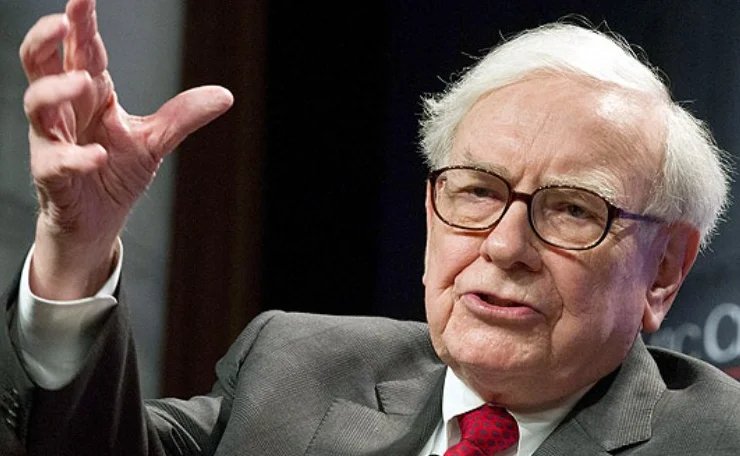
What Buffett Said
In a recent interview with CNBC, Warren Buffett, the renowned investor and CEO of Berkshire Hathaway, made headlines by addressing two unexpected revelations regarding Bill Gates and his connections to Jeffrey Epstein. Buffett clarified that Gates’ associations with Epstein did not influence his decision to terminate donations to the Bill and Melinda Gates Foundation. This statement has sparked discussions about the implications of personal relationships on business and philanthropy.
Context of the Interview
The remarks came in the wake of renewed scrutiny over Gates’ ties to Epstein, which have been a point of contention since Epstein’s legal troubles came to light. The interview aimed to shed light on how personal relationships intersect with professional decisions, particularly in philanthropy, where reputations can significantly impact fundraising efforts. Buffett emphasized that his philanthropic decisions are based on strategic assessments rather than personal affiliations.
This interview holds significant weight as Buffett is often viewed as a moral compass in the investing world. His insights prompt a broader discussion about ethical considerations in business and philanthropy, especially in an era where social media amplifies scrutiny of public figures. Buffett’s comments suggest that he prioritizes the mission and effectiveness of philanthropic initiatives over personal relationships.
The Aftermath: Reactions and Market Impact
The responses to Buffett’s comments have been varied. Some applaud his commitment to a clear separation between personal and professional conduct, while others question the ethics of maintaining connections with controversial figures like Epstein. The fallout from Epstein’s actions continues to affect high-profile individuals, raising questions about accountability in philanthropy.
Market analysts are also paying attention to how these revelations might impact investor sentiment towards companies associated with Gates and Berkshire Hathaway. While Buffett’s remarks may have reassured some investors about the integrity of philanthropic efforts, they also highlight the ongoing challenges faced by high-profile figures in maintaining public trust. As companies navigate these complex reputations, transparency and ethical accountability are likely to remain crucial themes.
Why It Matters for Investors
Buffett’s insights during the interview serve as a reminder that personal relationships can have far-reaching implications for businesses and investments. Investors often look for leaders who exhibit strong ethical standards, especially in an increasingly socially aware market. The scrutiny of personal connections can affect stock prices and company valuations, making it essential for firms to navigate these waters carefully.
As the philanthropic landscape evolves, the significance of ethical considerations in financial decisions will likely become more pronounced. Investors may prioritize companies that not only perform well financially but also maintain a commitment to ethical practices and transparency in their operations.
Conclusion: Looking Ahead
Warren Buffett’s recent comments about Bill Gates and Jeffrey Epstein offer valuable insights into how personal connections intersect with professional decisions, particularly in philanthropy. As investors and companies continue to grapple with issues of ethics and reputation, the importance of transparency and accountability cannot be overstated. Moving forward, the implications of these revelations may profoundly influence investor confidence and corporate strategies within the philanthropic sector.
In a world where reputation matters more than ever, Buffett’s perspective serves as a guiding principle for both investors and philanthropists. As the landscape continues to evolve, close attention will be paid to how companies manage their reputations amidst complex personal relationships.











Comments are closed.