
Aramco Q2 Profit Rises to $33.4 Billion
Saudi Aramco, the world’s largest oil exporter, reported a 33% jump in second-quarter net income to $33.4 billion, up from $25.2 billion a year earlier, as higher crude prices outweighed lower sales volumes and elevated operating costs. The company attributed the earnings boost to stronger crude and refined product prices, with upstream earnings rising on the back of higher crude realizations, while downstream margins nearly doubled year-over-year.
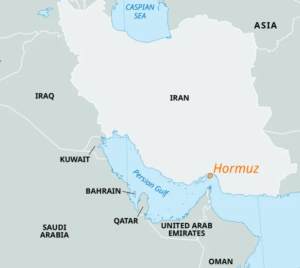
The results come amid the sixth month of the U.S.-Iran war, which has severely disrupted shipping through the Strait of Hormuz, a chokepoint that normally carries about a fifth of global oil supply. Despite the disruption, Aramco maintained production continuity by rerouting flows through its East-West Pipeline to the Red Sea port of Yanbu, which has become a strategic hub for western-region exports.
How Aramco Bypasses the Strait of Hormuz
The East-West Pipeline, with a capacity of 5 million barrels per day, has been critical in sustaining exports. From Yanbu, tankers head south through the Bab al-Mandeb Strait to Asian customers, while European-destined cargoes move north through the Red Sea and onward via Egypt’s Suez Canal or Sumed pipeline. This network has mitigated the impact of Hormuz closures, though it cannot fully replace the volumes that would normally transit the strait.
However, the Red Sea route is increasingly threatened by Yemen’s Iran-backed Houthi militants, who have stepped up attacks on Saudi oil infrastructure and commercial shipping. Further disruptions could force Aramco to divert cargoes around the Cape of Good Hope, adding transit time and costs, which could pressure margins and delay deliveries.
Oil Prices React to War and Diplomacy
Oil prices fell sharply on Monday after President Trump called off planned strikes on Iran over the weekend, following pleas from Saudi Arabia, Qatar, and other Gulf states to pursue negotiations. Oman and regional mediators are pushing proposals to reopen the Strait and revive peace talks, though disagreements remain over shipping arrangements and Iran’s nuclear program.
The market’s reaction underscores the delicate balance between supply risk and diplomatic progress. If talks falter and the strait remains closed, oil prices could spike again, while a successful reopening would likely ease supply concerns and pressure crude benchmarks.
Downstream Strength Offsets Volume Declines
Aramco’s downstream segment saw adjusted earnings nearly double year-over-year, supported by stronger refining margins. This diversification helps cushion the impact of lower crude sales volumes, which fell due to the shipping constraints. The company also cited higher operating costs and increased taxes as partial offsets to the earnings gain.
Investors are watching whether Aramco can sustain its output and export levels if the conflict escalates. The company’s ability to pivot to alternative routes demonstrates operational resilience, but the risk of further Houthi attacks or a prolonged closure of Hormuz remains a key overhang.
What to Watch: Hormuz Reopening and Export Data
The next catalyst will be any concrete progress in reopening the Strait of Hormuz, as talks continue. Traders should monitor weekly Saudi export data and shipping flows through the Bab al-Mandeb and Suez Canal for signs of sustained rerouting. A confirmed deal to reopen Hormuz would likely pressure oil prices, while breakdowns could send them higher. Aramco’s next quarterly release will also show whether volumes recovered and whether cost pressures persist.






Comments are closed.