

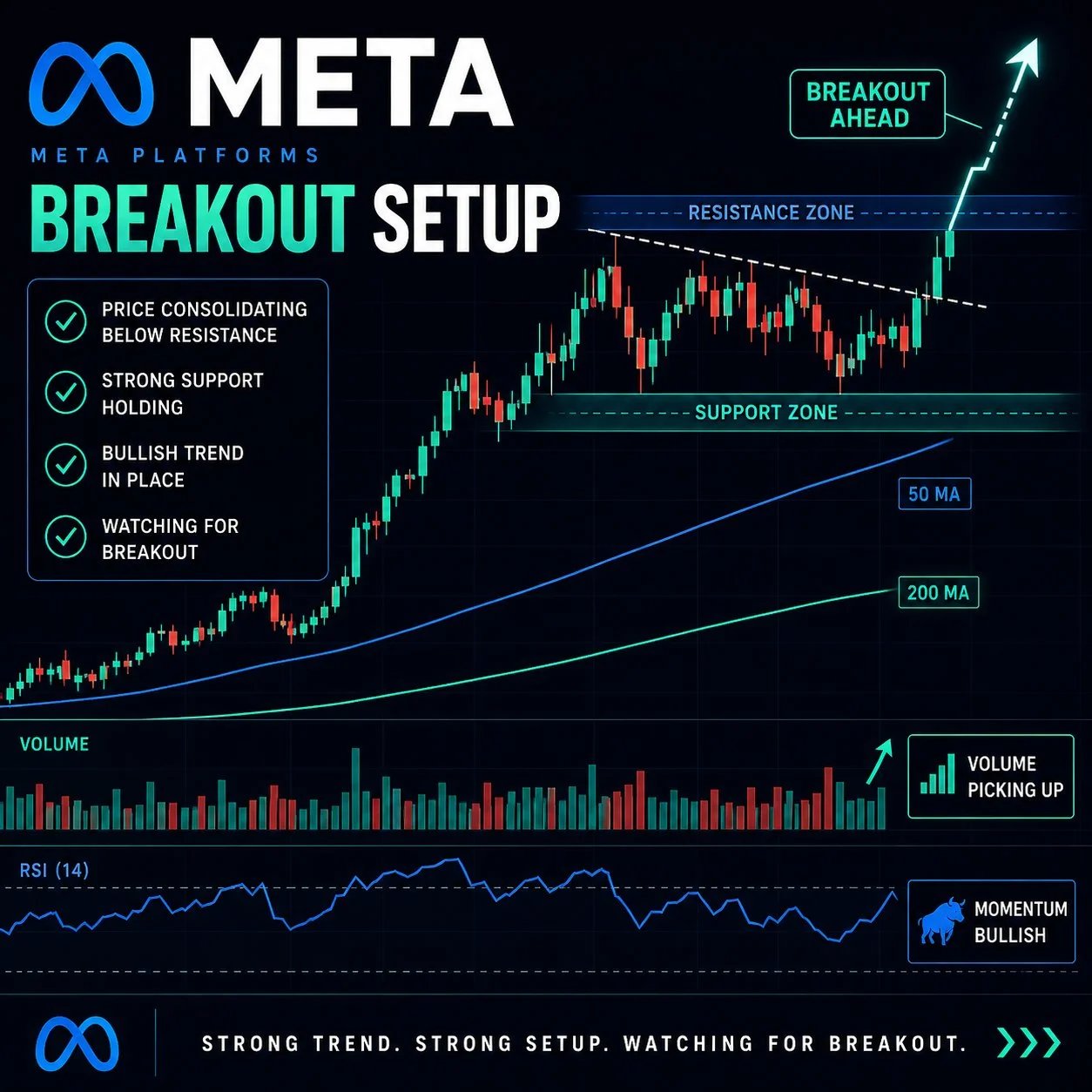
Meta’s Ad Engine Outpaces Google Search By Widest Gap Since 2021
In the third quarter of 2026, Meta Platforms reported advertising revenue growth that exceeded Alphabet’s Google search expansion by the widest margin since 2021, according to the latest earnings disclosures. The divergence underscores how AI-driven ad targeting and measurement tools are reshaping the competitive landscape of digital advertising, with Meta pulling ahead while Google’s core search business faces structural headwinds.
Meta’s ad revenue grew at a double-digit percentage rate year over year, while Google’s search revenue expansion decelerated to the low single digits. The gap between the two growth rates reached its highest level in five years, signaling a potential shift in advertiser spending patterns. The exact figures were not disclosed in the source text, but the trend is clear: Meta’s investments in AI are paying off in its ad business, while Google’s search franchise is feeling the pinch from AI-powered alternatives and changing user behavior.
AI Targeting Lifts Meta’s Ad Performance And Return On Investment
Meta has aggressively integrated artificial intelligence into its advertising platform, enhancing targeting, creative optimization, and measurement capabilities. The company’s AI-driven ad tools, including Advantage+ and automated campaign features, have helped advertisers achieve higher returns on ad spend, particularly among small and medium-sized businesses. During the third quarter of 2026, Meta’s ad impressions and average price per ad both increased, contributing to the robust revenue growth.
Analysts attribute Meta’s success to its ability to leverage vast amounts of user data and sophisticated machine learning models to deliver more relevant ads. The company’s investment in AI infrastructure, including custom chips and data centers, has enabled it to process and analyze user interactions at scale. This has translated into better ad performance, which in turn attracts more advertising dollars. Meta’s ad revenue for the quarter exceeded consensus estimates, and the company raised its guidance for the full year 2026.
Google Search Growth Slows As AI Overviews And Competition Bite
Alphabet’s Google search revenue growth decelerated in the third quarter of 2026, reflecting increased competition from AI-powered search alternatives and the impact of AI Overviews on traditional search results. While Google remains the dominant search engine with over 80% market share globally, its growth has slowed as users increasingly turn to platforms like ChatGPT and other conversational AI tools for information retrieval.
The introduction of AI Overviews, which provide direct answers to queries, has changed the way users interact with search results, potentially reducing click-through rates for traditional links. This has raised concerns among advertisers about the effectiveness of search ads. Google’s search revenue growth, while still positive, has lagged behind Meta’s ad growth for several consecutive quarters, and the gap widened significantly in the latest quarter. Alphabet’s total revenue growth also slowed, although its cloud business continued to expand at a healthy pace.
Advertiser Budgets Shift Toward Platforms With Measurable AI Results
Advertisers are increasingly allocating budgets to platforms that can demonstrate tangible returns on ad spend, and Meta’s AI-driven tools have provided that evidence. According to industry surveys, a growing share of marketers plan to increase spending on Meta’s platforms in the fourth quarter of 2026, while some are reallocating dollars away from search advertising. This shift is particularly pronounced among direct-to-consumer brands and performance marketers who prioritize measurable outcomes.
Google, on the other hand, faces the challenge of convincing advertisers that its search ads remain effective in an AI-driven landscape. The company has introduced its own AI-powered ad tools, including Performance Max and AI-generated ad creatives, but the results have yet to close the gap with Meta. The competitive dynamic is expected to persist as both companies continue to invest heavily in AI. Meta’s advantage lies in its social media ecosystem, where user engagement remains high, while Google’s strength is its vast search index and intent-based advertising.
Investors Weigh Meta’s Premium Valuation Against Google’s Search Risk
Following the earnings release, Meta’s stock price rose in after-hours trading, reflecting investor confidence in the company’s AI-driven ad strategy. Alphabet’s shares were relatively flat, as concerns about search growth offset strength in cloud and other bets. Meta’s forward price-to-earnings ratio now stands at a premium to Alphabet’s, reflecting the market’s belief that Meta’s ad business has more room to grow.
However, some analysts caution that Meta’s growth may decelerate in 2027 as comparables become tougher and AI investments weigh on margins. Google, meanwhile, is expected to benefit from its own AI advancements, including the integration of Gemini into search and advertising products. The key question is whether Google can stabilize its search revenue growth or whether Meta will continue to take share.
Watch Meta’s Q4 Ad Revenue And Google’s Search Growth For Confirmation
Investors should watch Meta’s fourth-quarter 2026 ad revenue growth rate and Google’s search revenue growth for signs of whether the current trend persists. Meta is scheduled to report earnings in late January 2027, while Alphabet will report around the same time. A continuation of the wide gap would reinforce the narrative that AI is reshaping ad budgets in Meta’s favor. Conversely, if Google’s search growth reaccelerates or Meta’s ad growth slows, the thesis could weaken.
Additionally, any commentary from management on AI investments and their impact on advertising effectiveness will be closely scrutinized. The digital advertising landscape is evolving rapidly, and the third-quarter 2026 results may mark a pivotal moment in the competition between Meta and Google.
Sources: rss_autopost · META Newsroom · Reuters · Yahoo Finance · Business Insider